If crowded temples and long queues put you off Asia, you are not alone. The best off the beaten path destinations in Asia are quieter UNESCO sites such as Vat Phou, Sukhothai and My Son, plus remote spots like Hpa-an.
This guide sits within the wider theme of unusual travel destinations, so treat it as one starting point among many.
| Item | Value |
|---|---|
| UNESCO sites in Asia (Agoda, October 2025) | 297 UNESCO sites |
| World Heritage Sites protected worldwide | Over 1,000 sites |
| My Son temples, construction period | 4th to 13th centuries |
| Prambanan, minor temple ruins on the climb | 240 minor temples |
| Yakushima forest, plant species | Over 1,900 plant species |
Figures come from Agoda’s October 2025 release carried by AAP and Selective Asia’s list of underrated UNESCO sites. They can change, so check the source before you rely on them.
Why quieter UNESCO sites are a good place to start
Asia holds 297 UNESCO sites, which made it the second highest region globally as of Agoda’s October 2025 release. Most visitors only ever see a handful of the best-known names. That leaves a long list of rewarding places with far smaller crowds.
Worldwide, Selective Asia says over 1,000 sites carry World Heritage protection. Its view is that the lesser-visited sites often give the most immersive insight into a place.
The shift is not only about taste. Zafigo reports that overtourism is pushing travellers to reconsider their itineraries, with quieter heritage sites emerging as alternatives to crowded hotspots.
Temples and ruins beyond the famous names
Ruins are the easiest way to feel ancient Asia without jostling for a photo. These seven stand out in the sources:
- My Son, Vietnam. Hindu temples dedicated to Shiva, built by the Champa Kingdom between the 4th and 13th centuries, according to Selective Asia. The same source suggests a day trip from Hoi An or Danang.
- Sukhothai, Thailand. Considered a “Golden Age” in Thai history, with gigantic Buddha statues reflected in lotus ponds and stone elephants holding up whole buildings.
- Vat Phou, Laos. A Khmer-era ruin on a southern hillside, geographically aligned with Angkor Wat. Zafigo calls it a calmer alternative to Southeast Asia’s busier temple complexes.
- Preah Vihear, Thailand-Cambodia border. Fragile Khmer ruins on open countryside, from an empire that held power in the region for over six centuries.
- Prambanan, Java. On the climb you pass the ruins of 240 minor temples, in what Selective Asia calls the largest excavated Hindu temple complex in Indonesia.
- Hampi, India. A vast, open-air glimpse into the former Vijayanagara Empire, with temples and boulder-strewn landscapes.
- Polonnaruwa, Sri Lanka. A former capital where visitors often cycle between ancient temples, royal ruins and carved statues at their own pace.
Agoda’s list adds two less obvious picks: Rani-ki-Vav, a subterranean stepwell in Patan, India, and Namhansanseong, a mountaintop fortress in Gyeonggi-do, South Korea, as set out in its October 2025 release. Because Agoda is a booking platform, read its list as inspiration rather than an independent ranking.
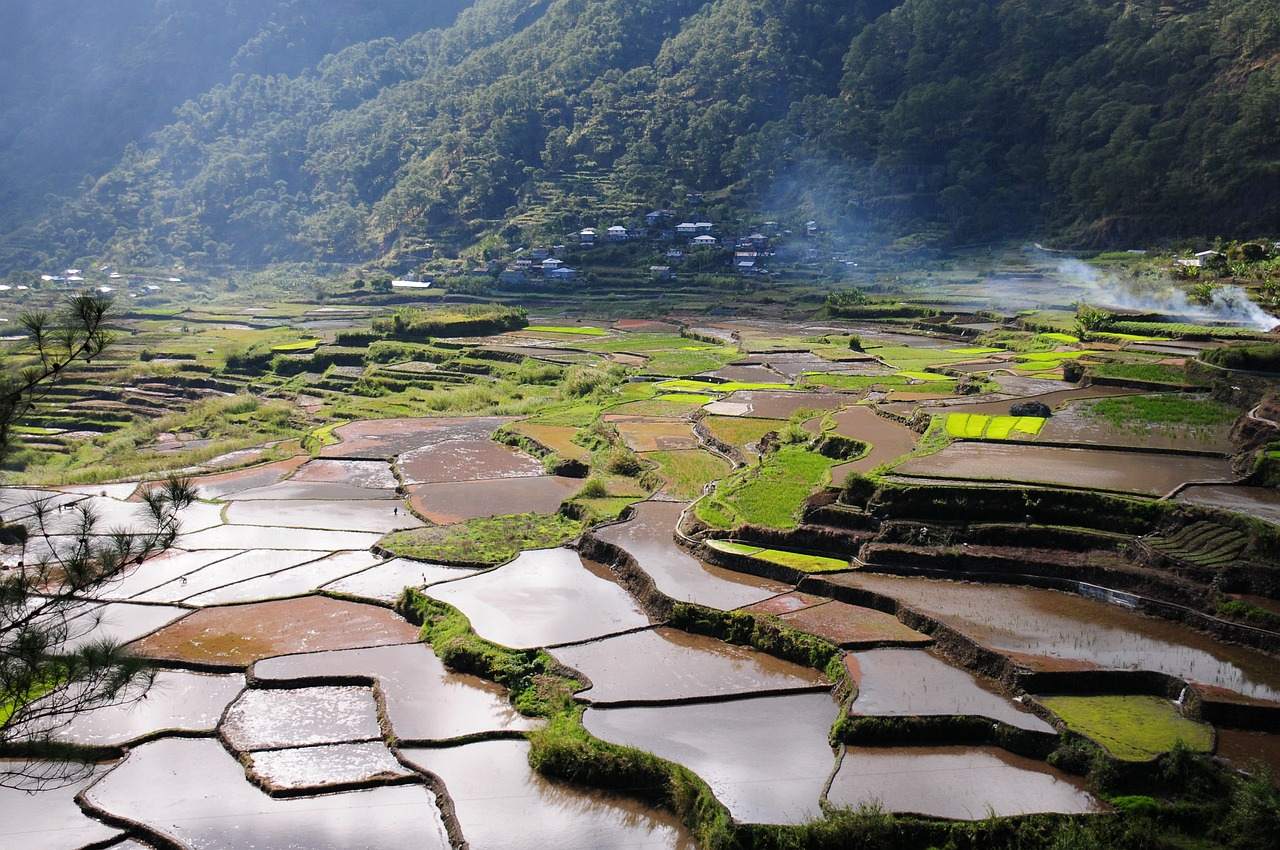
On Java, Selective Asia suggests adding Prambanan after the sunrise or sunset spectacle at Borobudur’s terraces. That way one famous stop becomes a fuller day of temples.
Mountain trails, forests and high lakes
If ruins are not your thing, Asia’s high and green places reward the effort of getting there. Most of these need more planning than a temple day trip.
- Kii mountain pilgrimage trails, Japan. Sacred routes that began as Shinto paths more than a thousand years ago, linking three major shrine complexes to Kyoto and Nara. Selective Asia points walkers to the Kumano Kodo.
- Yakushima, Japan. A forested island off southern Kyushu, reached by ferry from Kagoshima, with over 1,900 plant species and a handful of ancient Japanese cedars, per Selective Asia.
- Ala-Kul, Kyrgyzstan. An alpine lake at 3,532 meters in the Tien Shan, described by Gulf News as a base for rugged trekking with yurts or guesthouses.
- Pamir Highway, Tajikistan. A road trip along one of the world’s highest highways, past turquoise lakes and hot springs.
- Punakha Dzong, Bhutan. A monastery at the meeting of two rivers, central to Bhutan’s cultural and spiritual identity.
- Khiva, Uzbekistan. The walled inner city of Itchan Kala, with turquoise domes, winding alleys and traditional courtyards.
The trade-off is comfort. The Pamir Highway entry in the Gulf News list warns you to be ready for basic amenities and limited internet, so download maps and bookings before you leave.
Small towns, islands and quiet cities
Not every quiet corner is a monument. Some are simply places where the tour buses have not yet arrived, and Gulf News picks several.
- Cao Bang, Vietnam. Home to Ban Gioc Waterfall, which Gulf News calls Vietnam’s largest. Nội Bài airport in Hanoi is about 280 km (174 miles) away, and you should expect basic infrastructure and reliance on translation apps.
- Hpa-an, Myanmar. Limestone caves, a mountaintop monastery on Mount Zwegabin and rice paddies, about 290 km from Yangon’s airport. Check your government’s travel advice before booking.
- Belitung, Indonesia. Pristine beaches and colonial landmarks, with minimal tourist crowds.
- Changi Village and Pulau Ubin, Singapore. A village just 3 km from Changi Airport, and access to Pulau Ubin, a rustic island that offers a rare glimpse into Singapore’s pre-urban past.
- Bandar Seri Begawan, Brunei. A walkable capital whose small size and low tourist numbers make it a serene escape.
- Busan, South Korea. A coastal city with a lively yet less touristy vibe than Seoul.
The same article says it drew on a mix of web sources and critical analysis. Treat these entries as starting points for your own research, not verified rankings.
How do you plan a trip to a quiet corner?
Quiet usually means fewer services, so a little preparation goes a long way. Work through these steps:
- Choose your kind of quiet: ruins, trails or small towns, since each needs different logistics.
- Check the airport gap. Changi Village sits next to a major airport, while Cao Bang and Hpa-an involve long road transfers, as the figures from Gulf News show.
- Pack for basics. Download offline maps and a translation app before heading to places with limited tourist infrastructure.
- Link nearby stops. Southern Laos pairs Vat Phou with the Plain of Jars, Khone Falls and Si Phan Don, per Selective Asia.
- Re-check details close to departure, since access, transport and prices change.
For a different continent with a similar idea, see these suggestions for off the beaten path places in europe. Another comparison point is hidden gems in south america, which suits a different kind of trip.
Frequently asked questions
Which quiet spots suit a first trip to Asia?
Show answer
Heritage sites with an established route are the gentlest start, such as Sukhothai in Thailand, My Son in Vietnam or Prambanan on Java. Mountain treks like Ala-Kul ask for more preparation. Selective Asia covers the temple options in more detail.
Do quiet places have fewer facilities?
Show answer
Often they do. Gulf News mentions limited tourist infrastructure in Hpa-an and sparse connectivity along the Pamir Highway, so plan for self-reliance.
Can I find calm without leaving a big city region?
Show answer
Yes. Singapore’s Changi Village is the gateway to cycling trails and kampong villages on Pulau Ubin, and Busan offers a calmer feel than Seoul, according to Gulf News.
Can I combine several quiet stops in one trip?
Show answer
Neighbouring sites make this easy. Southern Laos has the Plain of Jars and Khone Falls beyond Vat Phou, while Java lets you visit Prambanan after Borobudur, as Selective Asia notes.