Planning indigenous cultural tourism and worried about getting it wrong? You’ll do well by asking permission, choosing Indigenous-led hosts, spending locally and following community rules. Start with research, then let your hosts set the pace.
This guide is part of a wider look at cultural heritage travel, where Indigenous visits sit alongside other ways to engage with living traditions.
| Item | Value |
|---|---|
| Federally recognized tribes in the United States | 575 federally recognized tribes |
| First Nations communities in Canada | more than 630 First Nations communities |
| Size of the Navajo Nation | some 27,000 square miles |
| Indigenous share of Mexico’s population | nearly 20 percent |
These figures come from Experience Life’s guide to visiting Native lands. They can change, so check the source before you rely on them.
What does respectful indigenous cultural tourism involve?
Think of yourself as a guest first and a sightseer second. Indigenous Tourism BC says your travel plans affect the communities, languages, cultures, waters, animals and lands of Indigenous Peoples, so every choice you make has a knock-on effect.
The biggest shift is to drop the idea of a living museum. Cultural Survival’s visitor guidelines for northern Thailand’s mountain villages call the belief that these communities belong to another era the greatest common fallacy, because the people you meet live in the present, just like you.
There is also no single rulebook. Experience Life counts 575 federally recognized tribes in the United States and more than 630 First Nations communities in Canada, and compares one all-purpose guide to a single handbook for the whole of Asia.
The habits below show up again and again in the guidance from Indigenous organizations and travel writers:
- Research the people and the place before you book.
- Contact the community or a local operator first.
- Ask before you photograph or record anything.
- Pay hosts directly or through proper channels.
- Leave land, water and wildlife undisturbed.
Research and ask before you arrive
The most useful step is to make contact before you go. InsideHook advises that if you plan to visit reservations and Native communities, it’s best to contact each tribe or Native Nation beforehand. Lots of tribes list contact details on their websites, and local tourism boards and tribal administration offices can also help.
Some visits cross into sovereign territory with little warning. The Navajo Nation spans some 27,000 square miles across Arizona, Utah and New Mexico, and Experience Life describes it as a sovereign nation whose entry signs are easy to miss, so you can end up on tribal land without realizing it.
The same care applies abroad. In Mexico, Indigenous communities account for nearly 20 percent of the population, according to Experience Life, which makes research before you book well worth the effort.
Some communities ask visitors to stay away altogether. Indigenous Tourism BC tells travellers to respect specific requests to stay away and to research community guidelines before planning a trip, and it singles out Haida Gwaii as a unique and delicate ecosystem.
For everyday manners that apply in any destination, read up on cultural etiquette for travelers before you go.
Photos, gifts and money: getting the small moments right
Start with permission. Travel Local says to always ask before taking photographs, even where residents are used to cameras. If the person seems curious, show them the shot afterwards.
Rules vary by place. InsideHook reports that some communities have policies about photographs or sketching, and that visitors should always ask first.
Privacy matters too. Cultural Survival says you should never photograph people in private situations, such as through windows or while bathing, or without their consent.
A quick routine keeps you on the right side of all of this:
- Look for posted signs about photography or recording.
- Ask your guide or host what is acceptable.
- Ask the person directly, using gestures if you share no language.
- Accept a no without argument and put the camera away.
On money, Travel Local notes that livelihoods often depend on income from visitors who buy wares, take guided tours or make contributions. It suggests buying handicrafts, tipping hosts or contributing, without feeling pressured by individuals to pay up.
Be careful with gifts for children. Cultural Survival advises against giving children money or candy, since it perpetuates begging, and suggests asking your guide about proper channels for donations.
Look after the land and slow down
Places that look empty may not be. Indigenous Tourism BC warns that a secluded swimming spot you stumble on could be a sacred site or a traditional fishing hole, and asks visitors to take direction from local Indigenous guides for adventure and wildlife experiences.
Pace matters as well. The same organization argues that expanding your cultural knowledge is not a contest, and that a non-stop itinerary can leave you having checked every box but missed it all.
Where you sleep and eat is part of the experience. Indigenous Tourism BC encourages booking an Indigenous lodge instead of a multi-level hotel, or sharing a meal with your Indigenous host instead of stopping for fast food, if you can.
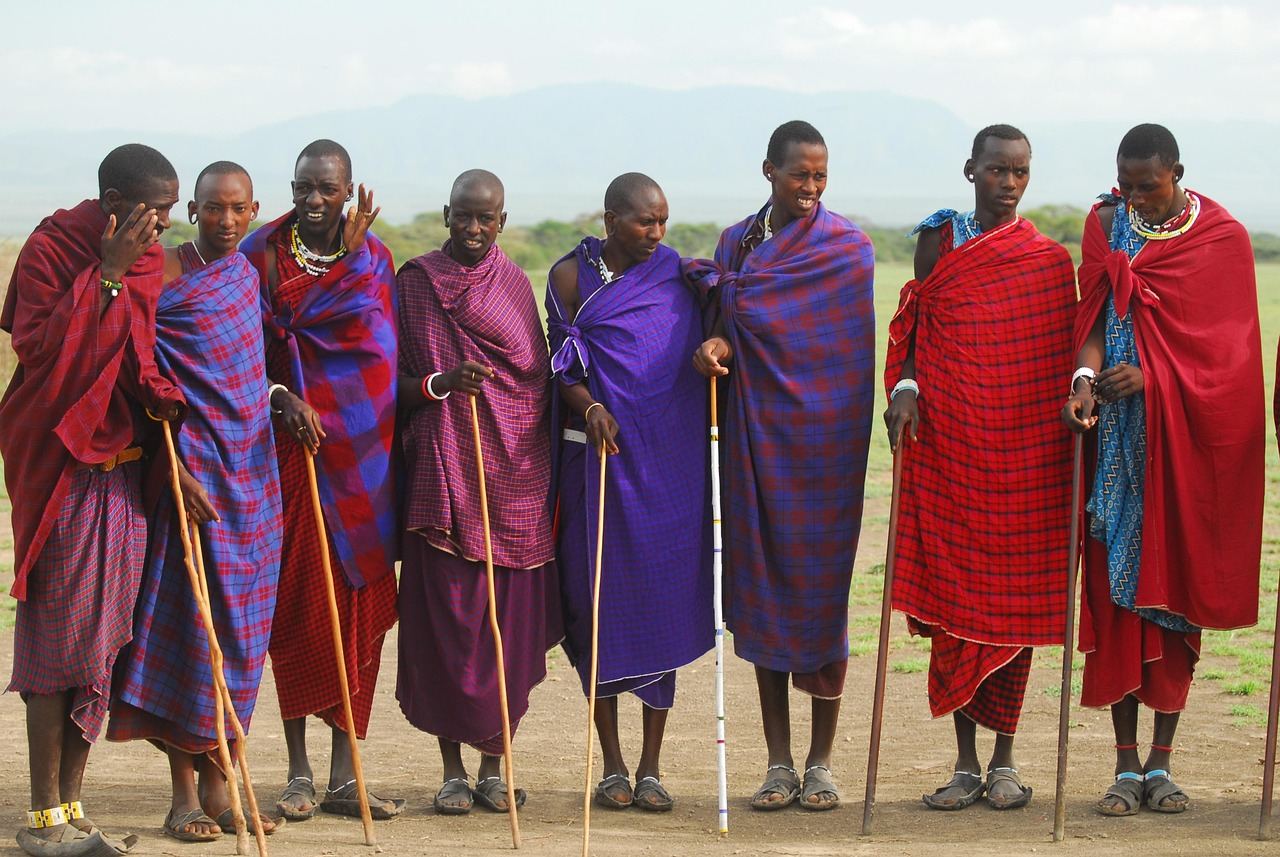
How to spot an experience that feels wrong
An ethical visit needs a clear invitation. Travel Local says that if you come across Indigenous people by chance and see no signs that they welcome contact, you should offer no more than pleasantries or a nod of hello.
Trust your instincts about the transaction, too. The same guide says you will tend to know when an experience feels opportunistic, money-driven or forced, rather than positive and authentic.
Before you book a tour, put these questions to the operator:
- Is the experience led by, or run in partnership with, the community?
- Can they give you a referral list of previous clients?
- Can they explain how your contribution reaches the village?
- Does the community actually want visitors at this time?
The first three come straight from Cultural Survival’s guidelines, which say a tour company should be in partnership with the village and able to advise on the best way to contribute.
If you are choosing where to go, the list of traditional villages to visit is a place to start, but check each community’s own visitor guidance first.
Frequently asked questions
Can I visit a community without arranging it first?
Show answer
It is better not to. Indigenous Tourism BC recommends speaking directly with tourism operators before you travel, so your plans suit the people who live there. You can read its advice on the travel responsibly page.
Does one set of etiquette rules work everywhere?
Show answer
No. InsideHook points out that each Native community is different, so behavior welcome in one place may be out of line in another. Ask your host what applies.
How can I make sure my money helps?
Show answer
Aim to put your travel dollars in the pockets of Indigenous hosts, as Indigenous Tourism BC puts it. Cultural Survival adds that ideally a special fund will exist with the village, so ask your guide whether one does.
May I touch traditional clothing at an event?
Show answer
Better not to. InsideHook reports that pow wow outfits often include eagle feathers, and that touching them or bumping into them is disrespectful. Keep a polite distance and ask questions instead.