Planning a trip around something stranger than a museum? Unusual festivals around the world turn old rivalries, harvests and legends into living spectacle, and most have a real origin story you can trace.
These customs are also a doorway into cultural heritage travel, because each one preserves a memory of what a community chose to keep.
| Festival | Key fact |
|---|---|
| Battle of the Oranges, Ivrea (Italy) | Around 4,000 competitors |
| La Tomatina, Buñol (Spain) | Entry capped at 20,000 people |
| Songkran (Thailand) | Added to UNESCO’s heritage list in 2023 |
| Busójárás, Mohács (Hungary) | Inscribed by UNESCO in 2009 |
| Saidai-ji Eyo Hadaka Matsuri (Japan) | Over 9,000 men take part |
The figures come from Matador Network and Travel Tomorrow. They can change, so check the sources before you rely on them.
Why do unusual festivals exist at all?
Most odd-looking traditions began as something ordinary. World Travel Guide describes it as the human knack for turning a fruit harvest, sheep shearing or even fishing into an event of legendary proportions.
Travel Tomorrow adds that many festivals are tied to tradition and history, and that the costumes people wear are often where their uniqueness shows.
The origin stories tend to fall into a few families:
- Rebellion remembered: Ivrea’s orange battle recalls the fall of a tyrant.
- Territory and pilgrimage: Haro’s wine fight grew out of a boundary dispute.
- Cleansing and renewal: Songkran and Holi turn water and powder into blessings.
- Folk legend: Finland’s wife-carrying race is tied to an outlaw hero.
- Local pride: Lopburi’s monkey banquet began as thanks and became a draw for visitors.
Food fights with a historical grudge
The Battle of the Oranges in Ivrea, Italy, commemorates an uprising against a tyrannical baron, and around 4,000 competitors spend the day hurling fruit at each other, according to Matador Network. Squads on foot play the rebelling townspeople, while groups in carts stand in for the tyrant’s forces.
The battle took its current organised form in 1947, when the first team, Asso di Picche, was founded, as Explurger’s festival guide explains. A visitor who only wants to watch should wear a red Phrygian cap, because anyone without one is fair game.
La Tomatina in Buñol, Spain, is the better-known cousin. Most accounts trace it to 1945, when local youths disrupted a parade, though Matador Network says the exact details remain contested.
The town council tried to ban the tomato fight in 1957, and in 2002 Spain recognised it as a Festival of International Tourist Interest, Explurger reports.
Today the crowd is limited to 20,000 people, down from 50,000 in earlier years, and basic entry costs around $16, according to Matador Network.
The Haro Wine Festival in La Rioja, Spain, traces to a 13th-century land dispute with the neighbouring town of Miranda de Ebro over the Riscos de Bilibio cliffs. Every June 29, revellers climb those cliffs and douse each other in red wine, Matador Network says.
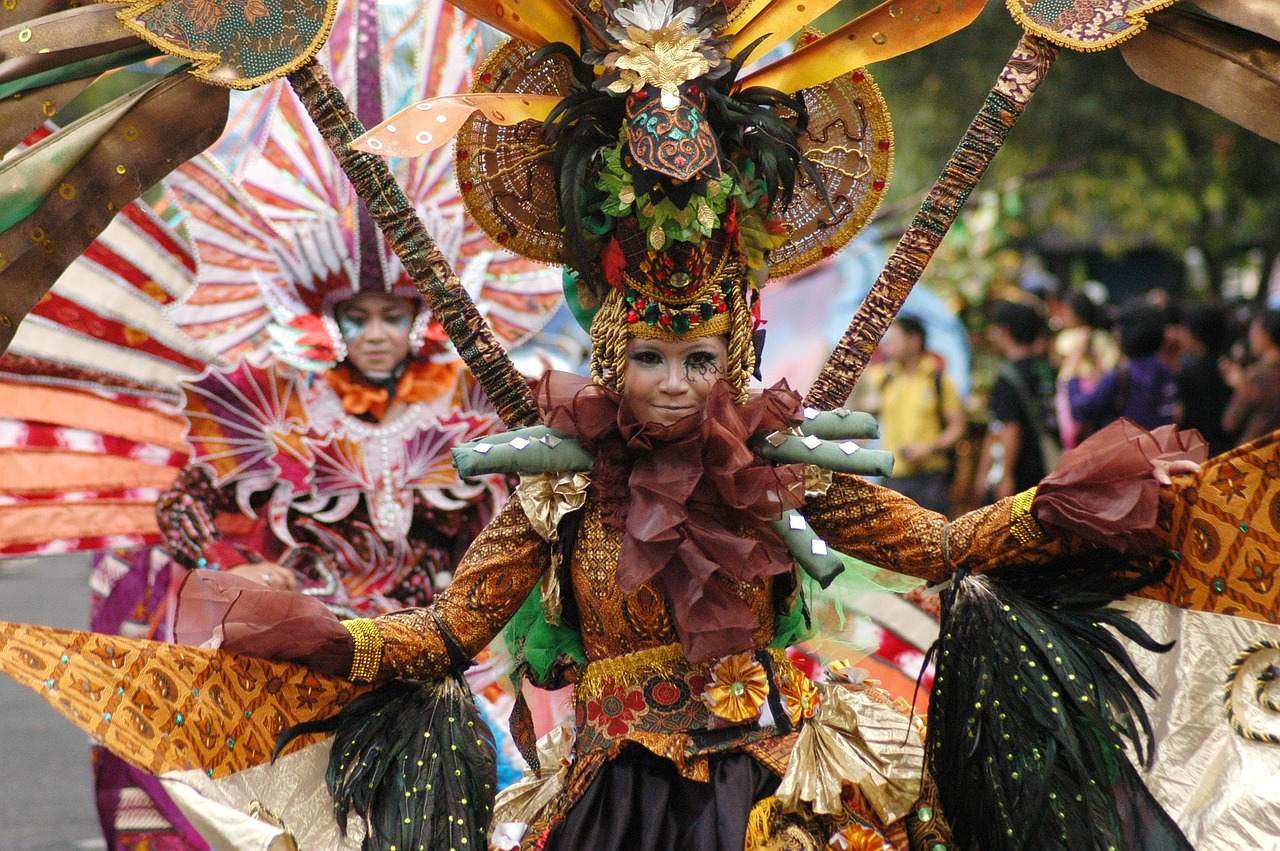
Fire, water and colour: the rituals behind the spectacle
Thailand’s Songkran looks like pure play, yet the word derives from the Sanskrit sankranti, the sun’s passage into a new astrological sign. The water symbolises purification, and UNESCO added the festival to its Representative List of Intangible Cultural Heritage of Humanity in 2023, according to Matador Network.
Plan for the soaking between April 13 and 15, and wrap your phone before you step outside, the same source advises.
Holi is rooted in the Hindu story of Krishna and Radha, and it falls on the full moon of the month of Phalguna, typically in late February or early March, per Matador Network. Travel Tomorrow calls it a symbol of the triumph of good over evil.
Up Helly Aa in Lerwick, Shetland, answered a ban on tar barrelling with torch parades, Viking costumes and burning longships, as World Travel Guide tells it. The main procession marches on the last Tuesday of January to mark the end of the Yule season, according to Travel Tomorrow.
In Nejapa, El Salvador, Las Bolas de Fuego sees kerosene-soaked rags lit and hurled at participants. The fire bombs are said to represent lava balls from the El Playon eruption in 1658, World Travel Guide notes.
Contests built on folk tales and local pride
Finland’s Wife Carrying World Championship in Sonkajärvi sends male competitors through an 831-foot obstacle course with a partner over their shoulders. Islands says it launched as a race in the 1990s, though experts believe its origins lie in the 1800s.
One theory points to Ronkainen the Robber, a Finnish Robin Hood figure, as the original wife carrier. The same article adds that the winning duo receives a stein of beer weighing the same as the woman who was carried.
At Cooper’s Hill in Gloucestershire, England, runners chase a wheel of Double Gloucester cheese down a 180-metre slope. Historians believe the custom may be 600 years old, possibly linked to pagan rituals for maintaining grazing rights, Explurger reports.
The winner is simply the first person across the finish line, because the cheese is never actually caught.
In Thailand, the Monkey Buffet Festival in Lopburi is held on the last Sunday of November. It began in 1989, when a local businessman organised the first feast as thanks, and locals believe the monkeys descend from the deity Hanuman, says Explurger.
Masks, babies and sacred sticks
In Castrillo de Murcia, Spain, the Baby Jumping Festival has costumed “devils” leap over babies laid on mattresses in the street. Islands says the ritual may date to the 1620s, as either a Christian festival or a pagan fertility rite.
It remains debated: Travel Tomorrow notes there is a lot of controversy around it, even as believers see it as a cleansing of the babies.
The Busójárás in Mohács, Hungary, features masked Busós, folk music, parades and dancing, and it ends the day before Ash Wednesday. UNESCO inscribed the festivities in 2009, according to Travel Tomorrow.
Japan’s Saidai-ji Eyo Hadaka Matsuri in Okayama draws over 9,000 men, and the festival originated over 500 years ago, Travel Tomorrow reports. At midnight a priest tosses two sacred shingi sticks into the crowd, and whoever stuffs them into a box of heaped rice is blessed with a year of happiness, per World Travel Guide.
How to visit these festivals respectfully
A little preparation protects both you and the tradition. This guide does not sell tickets or take bookings, so use each festival’s own channels for that.
- Check the date: Ivrea’s battle shifts with the Catholic calendar and Holi follows the moon, so confirm the dates before you book, as Matador Network advises.
- Dress for the mess: wear clothes you will not mind destroying, and white if you join the wine fight at Haro.
- Book early: ticketed events such as La Tomatina have sold out by May in recent years.
- Respect the ritual: religious and family customs, such as the baby jumping, are not props for photographs.
Once you know the story behind a custom, the trip gets richer. Travellers who enjoy living traditions may also like lesser known unesco world heritage sites for places where heritage is protected and celebrated.
Many festival towns also sit in regions with much older layers of history, so it is worth pairing a visit with ancient ruins to visit nearby.
Frequently asked questions
Are the origin stories of these festivals reliable?
Show answer
Often only partly. The sources call the roots of La Tomatina contested and say the cheese-rolling custom may be centuries old without a clear start, so treat the legends as local memory rather than proven history.
Which festivals here have UNESCO recognition?
Show answer
Two appear on UNESCO’s intangible heritage list in this guide: Songkran, added in 2023 according to Matador Network, and the Busó festivities, inscribed in 2009 according to Travel Tomorrow.
Are these festivals safe for visitors?
Show answer
Not always. At Cooper’s Hill, Explurger says injuries are common and paramedics stand by, while at Ivrea anyone without a red cap is a target. Follow local guidance and watch from the sidelines if you are unsure.
Do I need to book ahead?
Show answer
It depends on the event. Some, like La Tomatina, use ticketing and can sell out, while others, such as cheese rolling, are free to watch according to Explurger.