Tired of shuffling through crowds at the famous sites? The best ancient ruins to visit for more space include Edzna, Baalbek, Chogha Zanbil and Newgrange, and the right one depends on the era that fascinates you.
This guide sits within our wider look at cultural heritage travel, where old places and living traditions meet.
| Item | Value |
|---|---|
| Edzna visitors, Mexico | Fewer visitors in a year than Chichen Itza gets in a day |
| Chogha Zanbil ziggurat height, Iran | 79 feet |
| Newgrange solstice illumination, Ireland | 17 minutes |
| Baalbek’s “Forgotten Stone”, Lebanon | 1,650 tonnes |
| Tombs at Hegra (Al-Hijr), Saudi Arabia | 111 tombs |
These figures come from loveexploring.com and Flight Centre’s guide to lesser-known UNESCO sites. They can change, so check the source before you rely on them.
What counts as an ancient ruin
Lists disagree about where ancient ends. One CNN Travel list uses the Merriam-Webster dictionary definition of history up to the fall of the Roman Empire in 476 AD, and so leaves out New World sites.
This guide stretches the idea so you can also read about Maya and Inca places. The aim is simple: ancient ruins to visit that reward you for stepping away from the best-known names.
Quiet is never guaranteed, but the pattern is encouraging. Flight Centre says lesser-known heritage sites are often less crowded than the famous ones, which can make a visit feel more personal and immersive.
Roman and Near Eastern ruins beyond the famous names
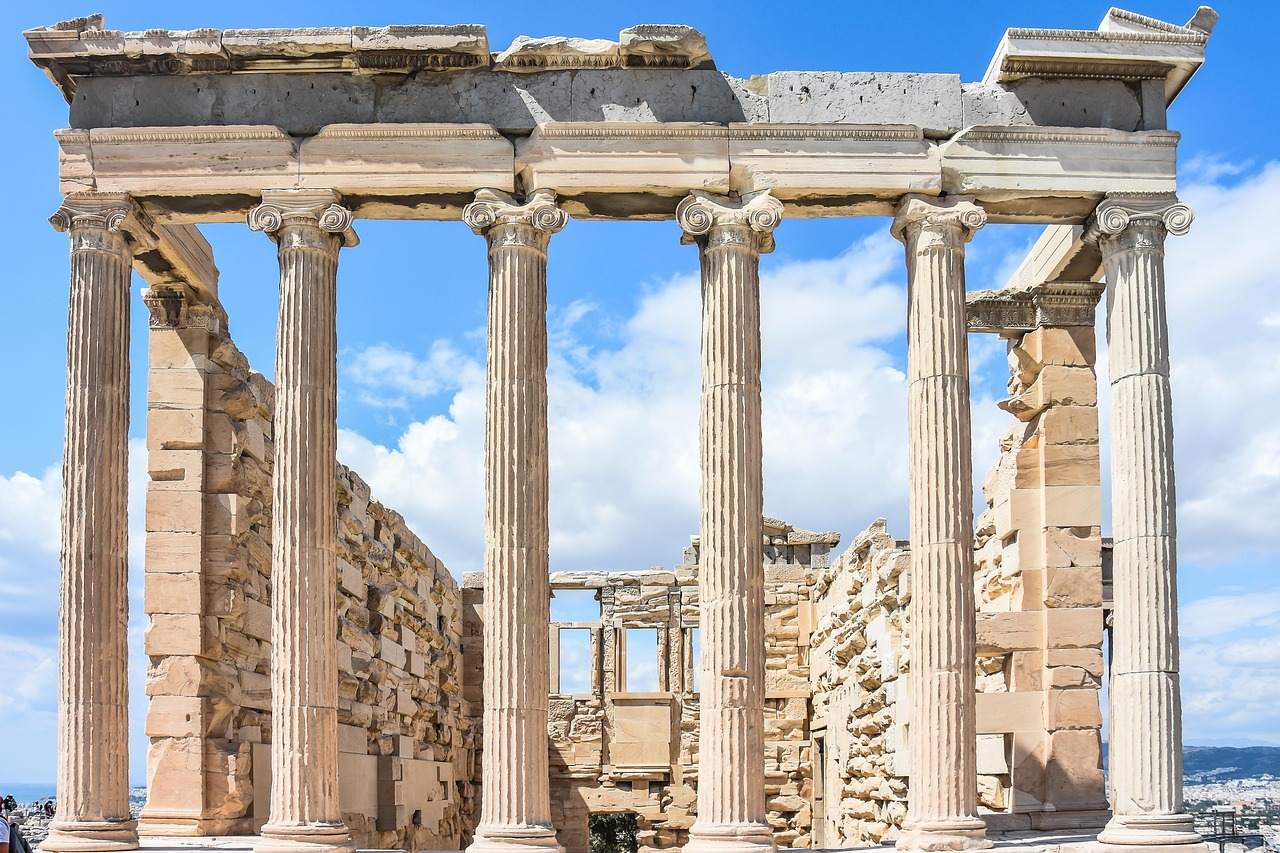
Baalbek in the Bekaa Valley of Lebanon is the place to look if you want the largest temple built by the Romans, according to loveexploring.com. Six of the Temple of Jupiter’s original columns still tower over the ruins. The so-called Forgotten Stone weighs 1,650 tonnes, and the second-century Temple of Bacchus is still standing after centuries of earthquakes and changing rulers.
Other Roman-era and older sites on the quieter side include these:
- Jerash, Jordan: the Romans who conquered it in 63 BC put it on the map, says CNN Travel.
- Kourion, Cyprus: the same CNN Travel list notes that the ancient 3,500-seat amphitheater is still used for performances (CNN Travel).
- Plovdiv, Bulgaria: its Roman Amphitheatre hosts theatre and concerts in summer, as Explore describes.
- Hattusha, Turkey: the old Hittite capital, which CNN Travel calls an open-air archaeological museum.
- Bosra, Syria: its Roman theatre is said to be the largest, most complete and best preserved in the Middle East, per TravelAwaits.
Bosra sits in a region where travel conditions can shift quickly, so read your government’s advice before you plan around it.
Prehistoric and early-city sites worth the detour
Newgrange, Ireland
UNESCO described Bru na Boinne as Europe’s largest and most important concentration of prehistoric megalithic art when it became a World Heritage Site in 1993, as loveexploring.com reports. At the winter solstice, sunlight lights the passage of Newgrange for 17 minutes. Tens of thousands of people enter an annual lottery for a few dozen places, so plan to enjoy the mound itself rather than counting on that sunrise.
Mohenjo-Daro, Pakistan
Built around 2500 BC beside the Indus River, Mohenjo-Daro shows a grid layout and a clear split between the Citadel and the Lower City, according to loveexploring.com. Houses in the Lower City had plumbing and drainage, which makes the site a fine place to think about how early urban life worked.
Chogha Zanbil, Iran
Prospectors looking for oil spotted the ruins of Chogha Zanbil in 1935, according to loveexploring.com. Its ziggurat now stands at 79 feet, less than half its estimated original height. Explore adds that it became the first Iranian site on the UNESCO World Heritage List in 1979.
Malta, Spain and Saudi Arabia
- Mnajdra, Malta: its oldest structure may date back to 3600 BC, says CNN Travel.
- Antequera Dolmens, Spain: three megalithic monuments about a 45-minute drive north of Málaga, according to Flight Centre.
- Hegra (Al-Hijr), Saudi Arabia: a Nabataean site with 111 tombs, also described by Flight Centre.
Quieter Maya and Inca sites in the Americas
Edzna in the Mexican state of Campeche was inhabited from as early as 600 BC and grew into a city of an estimated 25,000 people, says loveexploring.com. The same source says it typically gets fewer visitors in a year than Chichen Itza gets in a day. Its most prominent structure is a five-storey pyramidal temple on the east side of the main plaza.
When you think of Inca history, Peru usually comes first, but Incallajta in Bolivia covers 67 hectares and is among the main Inca sites in that country, Explore reports, citing UNESCO. It suits you if you like wide, open ruins and a route that few itineraries include.
How to plan a calmer visit
A few habits help any trip to old stones:
- Check opening hours and local safety advice before you book. CNN Travel’s older list admitted that some of its sites were not recommended for tourists at the time it was written (CNN Travel).
- Look for timed entry, lotteries or guided-only access at the site’s official page.
- Match your dates to local life: our guide to unusual festivals around the world can help you spot a celebration worth timing your trip around.
- Eat where the locals do, and our notes on traditional foods around the world will show you what to look for after a long day among the ruins.
Treat the quietest hours as a bonus rather than a promise, and keep a backup plan if a site is closed.
Frequently asked questions
Are lesser-known ancient sites really quieter?
Show answer
Often, though not always. Lesser-known places tend to draw fewer tour groups than the headline names, but a short season or a special event can still fill them.
Which ruins suit a first trip off the beaten path?
Show answer
Pick somewhere with easy access. Antequera in southern Spain lies within a short drive of a major city, which makes it a gentle start before you tackle more remote places.
Is it safe to visit every site named here?
Show answer
No, because conditions differ widely and change over time. Read your government’s current travel advice for each country, and be ready to swap a site out if it is not recommended.
What should I look for when reading a ruin?
Show answer
Study the layout first: streets, water systems, walls and temple positions tell you how people lived. Mohenjo-Daro’s planned districts are a good example of how a ground plan reveals daily life.