Not sure where to start with the best adventure travel destinations? Match the place to how you like to move: Bhutan and Greenland for long treks, Slovenia for variety, Indonesia for reefs.
For the full planning picture, read our adventure travel guide, which this page builds on.
| Destination or item | Key fact |
|---|---|
| Trans Bhutan Trail (Bhutan) | 403km |
| Bhutan Sustainable Development Fee (SDF) | $100 USD per person, per night |
| Arctic Circle Trail (Greenland) | 165km |
| Toubkal, highest peak in North Africa (Morocco) | 4,167m |
| Fishermen’s Trail (Portugal) | 143-mile |
| Slovenia Outdoor Week | From €995 per person |
These figures come from Polarsteps’ country picks and National Geographic Traveller (UK), and they can change: check the source before you rely on them.
What is shaping adventure travel right now
A roundup reported by ATTA in April 2026 describes a strong shift toward experience-led tourism, with travellers prioritising authenticity, physical activity and a deeper connection to nature.
The same item lists Patagonia, the Galápagos Islands and the Dolomites next to emerging destinations across Africa, Asia and the Middle East. It also calls adventure tourism one of the fastest-growing segments in the travel industry.
That mix of famous and up-and-coming places is why a single “best” list rarely fits everyone. The picks below are grouped by the kind of explorer you are:
- Trekkers: Bhutan, Greenland, Portugal and Albania.
- Wildlife and water lovers: Argentina, Albania’s rivers, Indonesia and Brazil.
- Multi-sport and mountain fans: Slovenia, Morocco and Italy.
Best for long-distance trekkers
Bhutan is the headline for walkers. Polarsteps points to the newly reopened 403km Trans Bhutan Trail, a heritage route that was closed for 60 years, plus high-altitude treks such as Jomolhari and Druk Path.
In Greenland, the same editors single out the 165km Arctic Circle Trail from Kangerlussuaq to Sisimiut. You can pair it with the UNESCO-listed Ilulissat Icefjord and its calving glaciers, or paddle among icebergs in Disko Bay.
If you prefer sea air to snow, the Fishermen’s Trail in Portugal is a coastal option. National Geographic Traveller calls the 143-mile route the most emblematic stretch of the Rota Vicentina, running from near Porto Covo to Lagos.
Albania suits trekkers who like their mountains rough. Polarsteps suggests the multi-day Peaks of the Balkans trek as a way in.
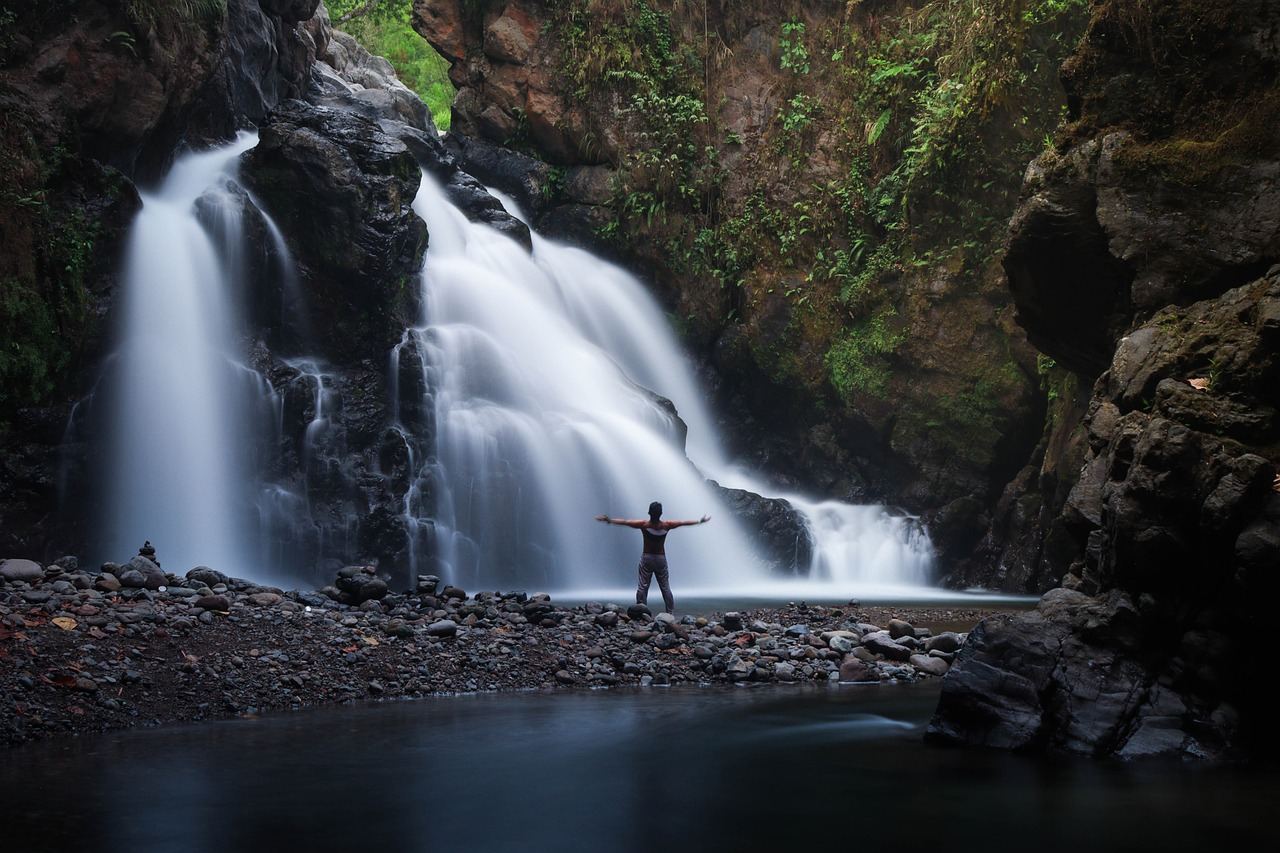
Best for wildlife, water and wild coasts
Argentina’s newest draw is Patagonia Azul Provincial Park, which Polarsteps says was formally created in 2025 and now welcomes travellers to Chubut’s Atlantic coast. Low-impact trails and coastal camps are meant to protect the fragile marine ecosystem.
Albania offers a river-based alternative. The Vjosa, described by the same editors as the world’s first wild-river national park, protects some 1,100 species and supports climbing, trekking and packrafting.
For reefs, Oceanic Society steers you away from busy hubs. Its guide says Indonesian destinations such as Raja Ampat, Alor and the Banda Sea are often reached by liveaboard ships or select ecolodges, with snorkeling, scuba diving and whale watching on offer.
Brazil is the pick for wetland wildlife. The same guide highlights the Pantanal, which it calls the world’s largest tropical wetland, and the marine sanctuary of Fernando de Noronha.
Best for mountains and multi-sport variety
Slovenia rewards people who want a bit of everything. National Geographic Traveller says its small scale makes it easy to move between lakes, mountains, trails and rivers.
The magazine describes a six-day itinerary that packs in biking, climbing, rafting, via ferrata, hiking and paragliding. The finale is the climb up 9,395ft Triglav, Slovenia’s highest mountain.
Morocco has become easier to reach. According to Polarsteps, the 1,055km Tiznit-Dakhla expressway was completed in January 2025, turning a large stretch of the Atlantic coast into a viable road trip. Serious hikers can head to Toubkal at 4,167m.
In Italy, the Dolomites are the draw. Oceanic Society named Cortina d’Ampezzo, the range’s premier resort town, as a base for skiing and hiking around the February 2026 Winter Olympics.
How do you plan and budget for an adventure trip?
Start with fees and rules, because they can change the whole price. As of Polarsteps’ August 2026 edit, Bhutan’s SDF stood at $100 USD per person, per night, after a reduction that remains in effect through August 2027.
Guided trips can simplify costs. National Geographic Traveller lists Slovenia Outdoor Week from €995 per person, covering accommodation, expert guides and most activities, and a six-night guided walk on the Fishermen’s Trail from £599 per person.
Once you have a shortlist, work through these steps:
- Pick the explorer type that fits you, using the groups above.
- Confirm fees, route status and dates with the original source.
- Build your kit with our adventure travel packing list, which suits most terrain.
- Decide whether to go guided or alone, and read our solo adventure travel tips if you lean toward the second.
Frequently asked questions
Which destination suits a first-time adventure traveller?
Show answer
Slovenia is a gentle starting point. National Geographic Traveller notes that its diminutive scale keeps varied terrain close together, so a guided week can cover a lot without long transfers.
Is Bhutan cheaper to visit in 2026?
Show answer
Polarsteps reported in August 2026 that the daily fee was halved, and that the lower level lasts until August 2027. Read the Polarsteps piece and then confirm the rate for your own travel dates before you book.
When can you see the northern lights in Greenland?
Show answer
Once the midnight sun fades, Polarsteps says the island becomes a natural theater for aurora viewing across autumn and winter.
Which picks feel quieter than the famous routes?
Show answer
According to Polarsteps, Bhutan’s trails offer Himalayan scenery similar to Nepal’s famous routes but with fewer crowds. The same editors describe Albania as one of Europe’s last remaining wild frontiers, away from the crowds.