Worried about offending someone on your trip abroad? Good cultural etiquette for travelers comes down to a few habits: research local customs, ask before photographing people, respect sacred spaces and spend locally.
This guide sits within the wider topic of cultural heritage travel, where visiting well matters as much as visiting widely.
| Item | Value |
|---|---|
| Principles in the Global Code of Ethics for Tourism | 10 principles |
| Convention on Tourism Ethics approved at | 22nd UNWTO General Assembly, September 2017 |
| Year the committee chair was appointed | 2013 |
| UN Tourism responsible traveler tips released | October 2024 |
| Rule for photographing people | Ask first; do not offer money for the picture |
These figures come from the Oman Observer’s report on UN Tourism’s traveler tips and TravelMole’s report on the tourism ethics convention. They can change, so check the source before you rely on them.
What does the global guidance say about etiquette?
The most widely shared starting point is the Global Code of Ethics for Tourism. TravelMole describes it as a comprehensive set of principles addressed to governments, the travel industry, communities and tourists alike, and its 10 principles cover the economic, social, cultural and environmental sides of travel.
In September 2017, member States of the UNWTO approved the Framework Convention on Tourism Ethics at the 22nd UNWTO General Assembly. According to the same TravelMole report, the step turned the code into an international convention, the first in the life of the Organization.
For a visitor, one principle stands out: it frames tourism as a user of the cultural heritage of mankind and a contributor to its enhancement. You borrow a place’s heritage for a few days, so the aim is to leave it intact.
In October 2024, UN Tourism released tips for a Responsible Traveler, developed by the World Committee on Tourism Ethics, as the Oman Observer reported. The sections below turn those tips into everyday habits.
Research first, then learn a few words
The first recommendation is simple: research your destination to learn about local customs, traditions and social conditions, so you understand the community you are entering, as the UN Tourism tips put it.
The same tips say that experience and respect make a destination unique. Useful things to read up on before you fly include:
- History and architecture of the places you plan to visit
- Religion, dress and communication codes
- Music, art and cuisine
Language helps too. The guidance suggests learning to speak a few words of the local language, which can help you connect with people in a more meaningful way. A greeting and a thank-you are a sensible place to start.
Once you arrive, slow down before you judge. The tips advise you to pause and reflect before criticizing local living conditions or customs, to listen, and to leave preconceptions at home. They also ask you to treat staff and service providers at tourism facilities with courtesy and respect.
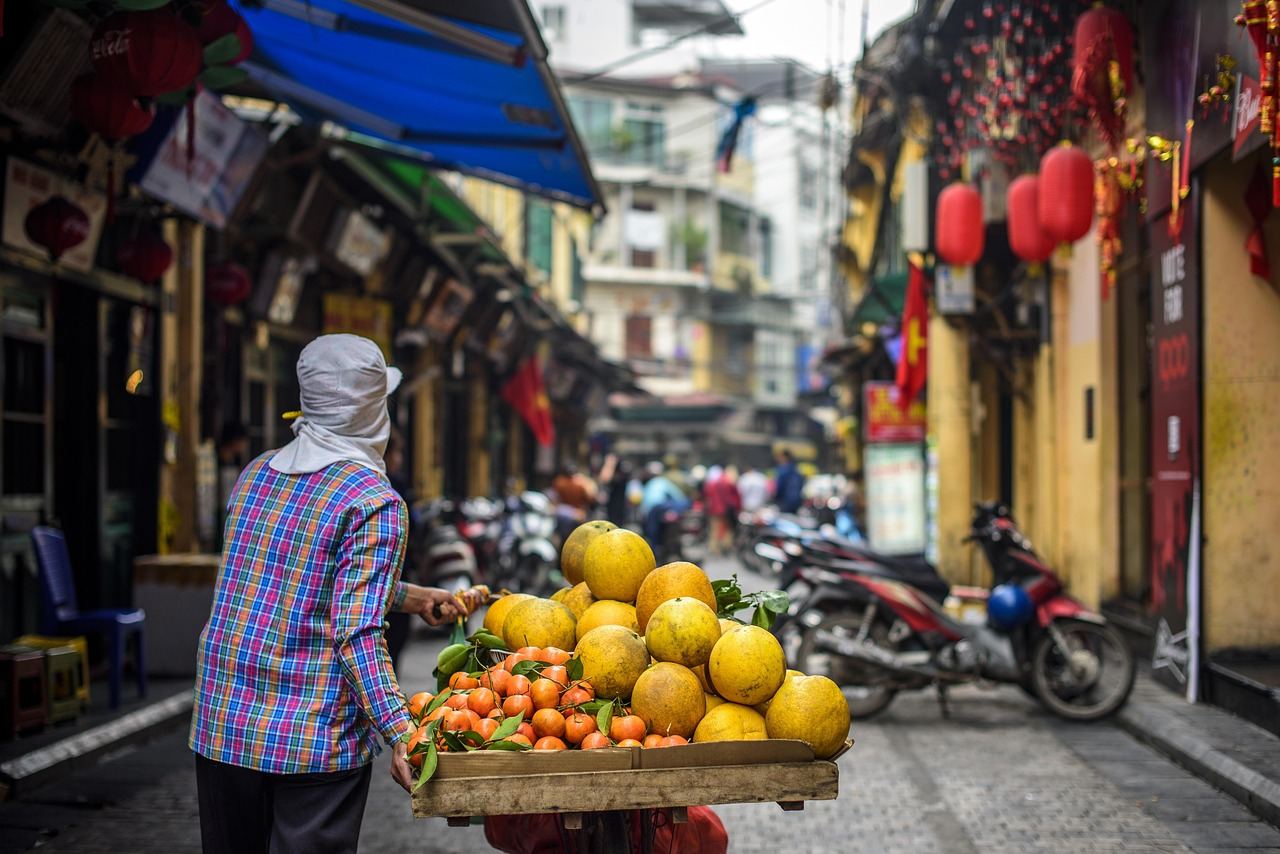
Photographs, privacy and social media
Cameras cause more awkward moments than almost anything else. The UN Tourism guidance says to ask before photographing other people, because their privacy matters as much as yours.
A respectful approach looks like this:
- Ask permission before you raise the camera or phone.
- Accept a “no” without argument.
- Skip payment: the tips specifically say not to offer money to get the desired picture.
- Think before you post, since the people in your photo may not want to be online.
On that last point, the tips say to think twice before posting selfies and pictures of other people, adding that your likes can wait. The same source encourages honest reviews and sharing your travel experiences after you return, so posting is fine when it is done with care.
Religious sites, private spaces and protected areas
Rules at places of worship vary widely, so the safest habit is to follow whatever is posted or explained on site. The traveler tips ask visitors to follow the rules at religious sites and to respect “private spaces”.
Protected areas work on a similar principle. Visitors should:
- Access only the places open to visitors
- Avoid offering money to locals to discover “no-go” areas
- Respect wildlife and natural habitats, since animal attractions may imply cruelty
If you are unsure whether something is allowed, ask a guide or a member of staff instead of guessing. It is a small act of humility that locals tend to notice.
Spending, tipping and eating with respect
Money is part of etiquette, too. The UN Tourism list recommends that you hire local guides, spend locally and find out about tipping practices before you go, according to the Oman Observer.
Shopping carries its own rules. The tips ask you to buy locally made handcrafts and products, and to respect the livelihoods of local artisans by paying a fair price. They also say not to buy counterfeit products or items prohibited by national and international regulations.
Food is another doorway into a culture, since cuisine is one of the things that make a destination different. If you want to eat with more context, the guide to traditional foods around the world is a useful companion.
Communities, children and responsible volunteering
Respect for people extends to the youngest. The tips state that abusing children is a crime, and they advise against giving money and gifts to begging children. Supporting community projects is the suggested alternative.
Volunteering deserves a second look as well. The guidance recommends researching well before engaging in voluntary tourism and choosing operators with environmental policies and community projects, because some initiatives may seem green or ethical without providing decent working conditions.
Visits built around Indigenous communities call for extra care and listening; the guide to indigenous cultural tourism covers that subject in more depth.
Finally, the tips encourage you to have fun while respecting locals and their lifestyle, and to report injustice, exploitation and discrimination if you see it.
Frequently asked questions
Is there one etiquette rulebook that works everywhere?
Show answer
No. The global code is a framework of principles, not a list of local rules, so customs still differ from place to place. Reading up on your destination is what fills the gaps.
Can I take pictures of people I meet?
Show answer
Treat permission as the default step. Their privacy deserves the same weight as yours, and handing over cash to secure a shot is discouraged by the UN Tourism guidance.
How do I know whether to tip?
Show answer
Practices differ, so look into them before departure. The same guidance that recommends local guides and local spending also lists tipping as something to find out about in advance.
What if I accidentally cause offense?
Show answer
Stay calm, apologize with a few words in the local language if you can, and learn from it. Courtesy toward staff and service providers goes a long way, and listening beats defending yourself.