Nervous about your first trip underground? Caving for beginners starts with a simple plan: join a tour or a club, never go alone, and carry plenty of light.
This page is part of our adventure travel guide, which covers more ways to plan a trip outdoors.
| Item | Value |
|---|---|
| Wild caves in Ozark National Scenic Riverways | Closed, as of the page’s April 10, 2015 update |
| Minimum group size | four people |
| Lights per person | at least four reliable lights |
| Rain in the forecast | Stay out, because caves often flood suddenly |
| Time cave formations take to grow | thousands of years |
These figures come from the National Park Service cave safety page for Ozark National Scenic Riverways, last updated April 10, 2015. Rules and closures can change, so check the source before you rely on them.
Start with a tour or a caving club
The park service page names an organized tour as the best way to explore caves, citing the tours at Round Spring Caverns as one example. The other route it suggests is tagging along with a caving club, as described on the National Park Service safety page.
Both options hand the hard decisions to people who already know the place. That matters on a first trip, when you have no feel yet for what a safe pace, a safe route or a safe group looks like.
Caving clubs are also called grottoes, and the same page says they are located all over. Going with one lets you watch experienced cavers follow the safety habits below before you ever have to rely on them yourself.
The basic rules for people and lights
The rules on the park page are the ones followed by the National Speleological Society, which the page describes as a group of professional cave explorers, per the same NPS guidance. For a beginner, they boil down to a short checklist:
- Never enter a cave alone, and keep the party to at least four people.
- Give every person at least four reliable lights.
- Tell a responsible adult exactly where you are going and when you will be back.
- Walk rather than run or jump, because even a sprained ankle can be deadly underground.
- Children should never explore caves without an adult.
The park page paints a vivid picture of why the lights rule exists. You step back, a loose rock shifts, you stumble, and your only flashlight hits the floor and breaks. Suddenly you are in total darkness, cold and hurt, and crawling out is impossible.
Spare lights turn that nightmare into an inconvenience. The page’s own advice is that the best way out of such a situation is never to get into it.
Why does a caving group need four people?
The number is not arbitrary. The NPS page ties the minimum party of four to what happens when someone gets hurt, according to the park’s cave safety guidance.
- One person stays with the injured caver.
- Two people go for help.
- One person waits at the cave entrance, which makes the cave easier to find again when rescuers arrive.
- The fourth person notifies the Sheriff or Park Rangers.
This is also why telling a responsible adult your plan matters. If nobody knows you went underground, nobody will think to look there when you are late.
Rain, flooding and slips
The page is blunt on weather: do not go into a cave when rain is predicted for the area. Caves often flood suddenly, and the page states that many deaths in caves are due to drowning, as noted in the NPS cave safety tips.
That means checking the forecast before you leave home, not once you are standing at the entrance. If rain is on the way, the better choice is to reschedule.
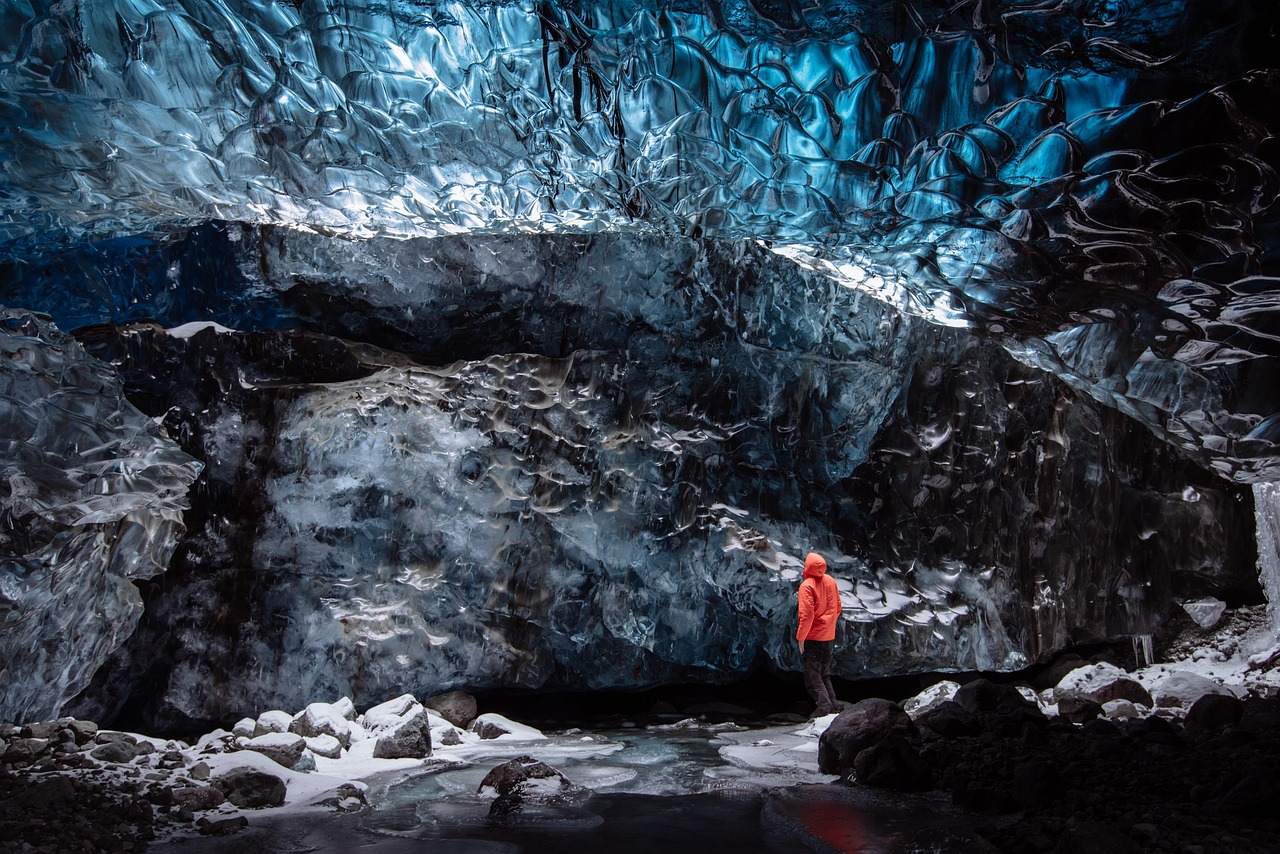
Footing is the other everyday risk. Moving slowly and deliberately helps you avoid the kind of twisted ankle that can turn a pleasant outing into a rescue.
Protect the cave and respect closures
Cave formations such as stalactites are fragile. The park page says never to touch or damage them, because they take thousands of years to grow and even a light touch of a finger can mar one, per the NPS page.
Closures are part of caving etiquette too. As of the page’s April 10, 2015 update, all wild caves in Ozark National Scenic Riverways were closed to prevent the spread of White Nose Syndrome, a disease of bats that the page says is killing them in unprecedented numbers. Always check the current rules for any cave you plan to visit, using the source page as a starting point only.
Finding a local group and planning what comes next
If you are wondering where to find a club, the park page has a practical tip: call the Geology Department of your nearest college. Someone there will likely know how to contact the local caving group, and the page says these groups welcome interested young people, per the NPS guidance.
Once you have the basics, you can build on them elsewhere. Our guide to volcano hiking destinations shows another way to explore dramatic terrain, and our desert travel tips cover a very different environment where preparation matters just as much.
Frequently asked questions
Can I go caving alone if I am experienced with hiking?
Show answer
No. The park service guidance says never, under any circumstances, to enter a cave by yourself, and it sets a party of four people as the minimum.
How do I find a caving club near me?
Show answer
Start by phoning a college geology department. The NPS page says staff there should be able to point you to a local grotto, which is the name for a caving club.
Is it harmless to touch a cave formation?
Show answer
Not really. According to the NPS page, formations need thousands of years to grow, so even a gentle fingertip can leave a mark that stays.
Can children go caving?
Show answer
Only with an adult. The NPS guidance states that kids should never explore caves without one.