Planning volcano hiking destinations can feel thrilling and a little scary. Choose places with marked trails, air-quality alerts and clear closures, and you can pack water, sturdy shoes and sun protection with confidence.
For the wider picture of trips like this, see our adventure travel guide.
| Item | Value |
|---|---|
| Visitors to volcanic sites worldwide | More than 100 million people per year |
| Hawaii Volcanoes National Park visitors | 2 million visitors |
| Reported deaths in the park, 1992 to 2002 | 40 fatalities |
| Serious injuries in the same period | 45 serious injuries |
| Hikers surveyed in a 2004 lava-field study | More than 800 hikers |
| Minimum drinking water per person on lava fields | At least two quarts |
Figures come from the National Park Service safety page and an Earth Magazine feature; they can change, so check the source before you rely on them.
Where volcano hiking destinations are found
Volcano tourism is huge: more than 100 million people visit volcanic sites around the world every year, according to the Earth Magazine feature. That does not mean every crater suits every walker, so start by matching the volcano to your fitness and experience.
The same feature gives a sense of scale in the United States. Hawaii Volcanoes National Park attracts 2 million visitors, Yellowstone’s geothermal features roughly 3 million visitors a year, and dormant Mount Rainier more than 1 million people, as reported by Earth Magazine.
Beyond the US, the same article names a volcano tour company that runs trips to active volcanoes in these places:
- Italy
- Greece
- Iceland
- Hawaii
- Indonesia
- Vanuatu
- Guatemala
It also notes that sandboarding is a popular tourist activity on Cerro Negro in Nicaragua, a reminder that “volcano trip” covers everything from gentle crater-rim walks to adrenaline sports. These are examples from the source, not recommendations or bookings.
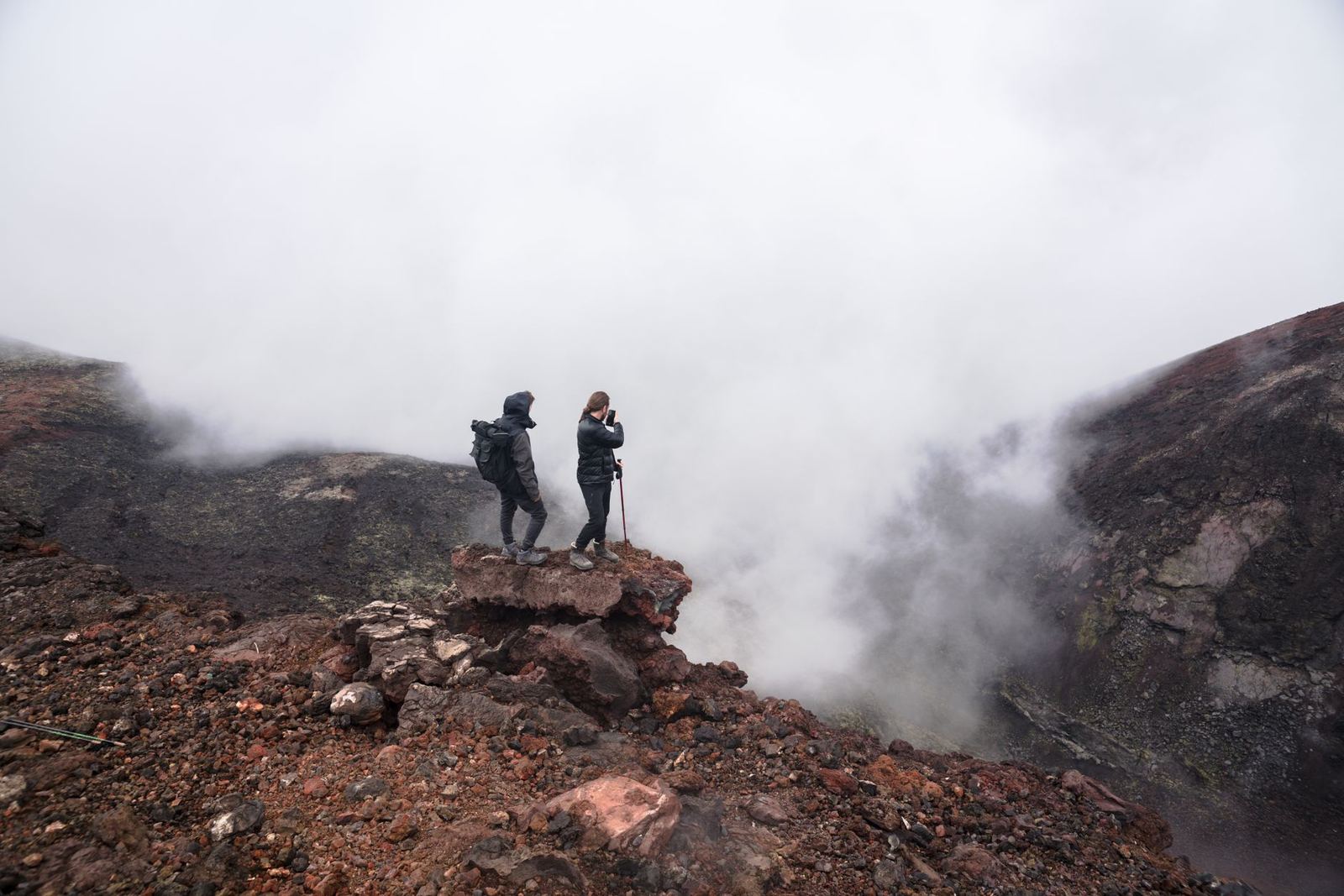
What makes a volcano hike risky?
Risk depends on the type of volcano, whether it is active or dormant, the weather and your own physical condition, as the Earth Magazine feature explains. One expert quoted there says any mountain can pose a danger to inexperienced tourists.
Many accidents happen on dormant volcanoes, where visitors suffer anything from cuts and broken bones to hypothermia and altitude sickness. At active volcanoes the risks are compounded, according to the same article.
Hawaii Volcanoes National Park offers a useful data point. Between 1992 and 2002 it recorded 40 fatalities, 45 serious injuries and 53 minor injuries, and incidents have decreased since 2002 after stricter safety guidelines and more visitor education, the Earth Magazine report says.
Preparation is the weak spot. In 2004 a park ranger published the first comprehensive study of health and safety issues facing lava hikers in Hawaii, and his survey of more than 800 hikers found that many had heart problems or asthma. More than half were novices, per the source.
Gas, ash and air quality
The invisible hazard is volcanic gas. The National Park Service says gases such as sulfur dioxide may be harmful to people with respiratory conditions, and it advises checking air-quality alerts before you go. Its safety page was last updated December 10, 2025.
Sensitive groups include people with heart or respiratory issues, infants, children and pregnant women, per the NPS guidance. If you belong to one of them, treat the alert level as a go or no-go signal.
Where lava meets the sea, the danger changes shape. The lava haze, known as laze, can be deceptively deadly because it looks like harmless white steam but is acidic, according to the Earth Magazine feature. Stay out of any closed area near an ocean entry.
Pele’s hair (thin volcanic glass strands) and volcanic ash are abrasive and can irritate eyes, skin and lungs. The NPS suggests limiting exposure first, and wearing protection if you cannot:
- A brimmed hat and eye protection
- Gloves, long sleeves and pants
- A face mask during ashfall
Trail rules and packing list
Park guidance for lava-field hiking is blunt: use only open trails. The NPS hiking tips boil down to a short checklist:
- Stay on marked, open trails and out of closed areas.
- Keep away from cliffs, cracks and steam vents, which may collapse or be slippery.
- Wear sturdy, close-toed shoes, because lava rock is uneven and sharp.
- Protect yourself from the sun; lava fields are shadeless and hot.
- Carry at least two quarts of drinking water per person.
- Hike with a friend and tell someone your plans.
- Be honest about your fitness and pick a trail to match.
The same page also lists a first aid kit, a flashlight and extra water for viewing trips, plus warm clothes and raingear if you visit at night.
Hidden lava tubes are among the hazards the park names. If underground terrain tempts you, read caving for beginners first, because walking over a void is not the same as exploring one safely.
Once you are comfortable on volcanic ground, you might compare routes with the best treks in the world to see where to stretch your skills next.
Planning your volcano visit step by step
Good planning removes most of the surprises. A simple order of operations works for almost any destination:
- Check the park’s current alerts, closures and eruption updates on the official site.
- Look at the air-quality alert, especially if you have a heart or breathing condition.
- Choose a trail that matches your ability, and consider an easier one if unsure.
- Tell someone your route and bring a companion.
- Check the forecast, since weather can change rapidly with intense rain, heat, cold and wind.
Getting there deserves thought as well. The NPS calls driving possibly the most dangerous activity of a park visit, citing narrow roads, sharp curves and distracting views. It adds that cell service may be limited, so carry snacks, water and a first aid kit.
Finally, treat tour operators as optional help rather than a guarantee. Rangers and trained guides are the safest way to watch lava up close, as an expert cited by Earth Magazine puts it, yet people still get hurt, so your own judgement stays essential.
Frequently asked questions
Are volcano hikes suitable for beginners?
Show answer
Some are, if you pick a marked, open trail that fits your fitness and stay inside park rules. The NPS advises a less strenuous route when you are unsure, which still rewards you with views.
Which active volcano is considered safest to visit?
Show answer
An expert quoted by Earth Magazine calls Kilauea probably the safest active volcano, because its eruptions are effusive and the park service shares good safety information. She adds that people still get injured there, so “safest” never means risk-free.
How much water should I bring on a lava-field hike?
Show answer
Treat two quarts per person as the floor, not the target, since the NPS describes lava fields as shadeless and hot. Add extra if you will be out for long or in strong sun.
Can I step past a barrier for a better view?
Show answer
No. Park staff set up viewing overlooks for a reason, and the NPS warns that crossing into restricted ground can lead to serious injury or death.