Planning a first big trip and unsure where to start? This adventure travel guide gives you the short answer: match activities to your fitness, buy insurance that covers them, and prepare early for altitude and remote terrain.
| Item | Value |
|---|---|
| Travel health clinic visit | Preferably 6 weeks before your trip |
| Altitude sickness risk begins | 2,500 meters or higher above sea level |
| Hypothermia | Body temperature drops below 35°C |
| Inca Trail, Peru: highest elevation | 13,780ft / 4,200m |
| Mount Kinabalu, Malaysia: highest elevation | 13,435ft / 4,095m |
| Mount Kilimanjaro, Tanzania: highest elevation | 19,341ft / 5,895m |
These figures come from the Government of Canada adventure travel health and safety page and the World Nomads high-altitude hiking guide. They can change, so check the source before you rely on them.
What counts as adventure travel?
Adventure travel blends a destination with physical effort, wild terrain or unfamiliar conditions. The Government of Canada names higher-risk activities that include extreme sports such as mountain climbing, nature expeditions, surfing, skydiving, caving and spelunking, according to its adventure travel health and safety page.
More familiar pursuits are not risk-free either. The same page lists these as common examples:
- Hiking
- Biking
- Ziplining
- Scuba diving
- Snorkelling
The Canadian guidance says adventure travel can be riskier to your health than other trips because of several compounding factors:
- Tough terrain and high altitudes
- Extreme weather and longer trips
- Heavy physical effort
- Limited or no cell service in emergencies
Guides do not always have deep medical training, and getting help quickly can be hard. That is why your own preparation matters as much as the route you pick, a point the Canadian page makes when it notes that tour guides may lack sufficient medical training for emergencies.
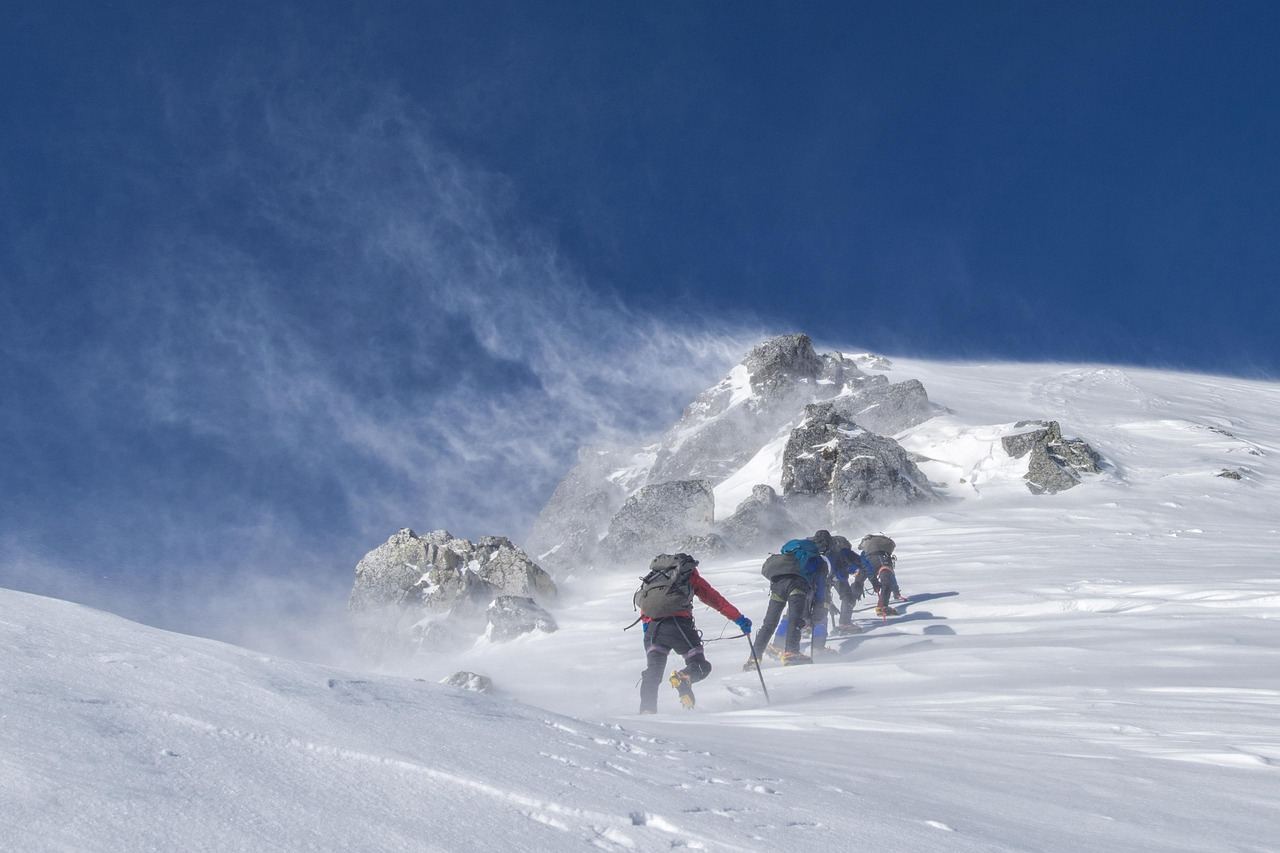
Choosing activities and destinations that fit you
Start with honest questions about your experience, your fitness and how remote you want to go. The Canadian government suggests you consider a guided trip if you are new to adventure travel or visiting a place for the first time, as stated on its health and safety page.
Once you know your comfort zone, narrow the field by activity or landscape. These companion guides cover the main branches of adventure travel:
- For a region-by-region shortlist, read our rundown of the best adventure travel destinations.
- If walking for days appeals to you, the best treks in the world is the place to compare routes.
- Anyone drawn to craters and lava landscapes can browse the volcano hiking destinations page.
- Curious about underground travel should start with caving for beginners before booking anything.
- Arid landscapes bring their own demands, which the desert travel tips page explains.
- If you prefer places off the usual circuit, the list of unusual travel destinations offers fresh ideas.
- Travellers who want history woven into the journey can read about cultural heritage travel.
Whichever you choose, remember that visitors are bound by local rules. The Canadian government reminds travellers that they are subject to the local laws and regulations of the country they visit, so check your own government’s advisories for each destination before you commit, as that page advises.
Which treks suit a first high-altitude trip?
The best first high-altitude trip offers gradual elevation gain, reliable guides and a clear route. World Nomads advises beginners to choose treks with manageable altitudes, gradual elevation profiles and good support infrastructure. The table shows the options its guide names, with the highest elevation of each.
| Trek | Highest elevation |
|---|---|
| Inca Trail, Peru | 13,780ft / 4,200m |
| Rocky Mountain National Park, Colorado, USA | 14,259ft / 4,346m |
| K2 Base Camp, Pakistan | 16,400ft / 5,000m |
| Goecha La Trek, Sikkim, India | 16,207ft / 4,940m |
| Jebel Toubkal, Morocco | 13,671ft / 4,167m |
| Mount Kinabalu, Malaysia | 13,435ft / 4,095m |
| Mount Kilimanjaro, Tanzania | 19,341ft / 5,895m |
Elevations come from the World Nomads high-altitude hiking guide, and published figures can change, so check the source before you rely on them.
The guide describes Rocky Mountain National Park as having many well-marked routes with accessible rescue services. It calls the Lemosho Route on Mount Kilimanjaro a beginner option with experienced guides, and describes Mount Kinabalu as a challenging yet non-technical ascent. Pick the one whose support network matches your confidence, not the one with the best photographs.
Its closing advice is to prioritise areas with established trekking routes, reliable guides and easy access to medical facilities, and to research elevation, weather and best times to visit.
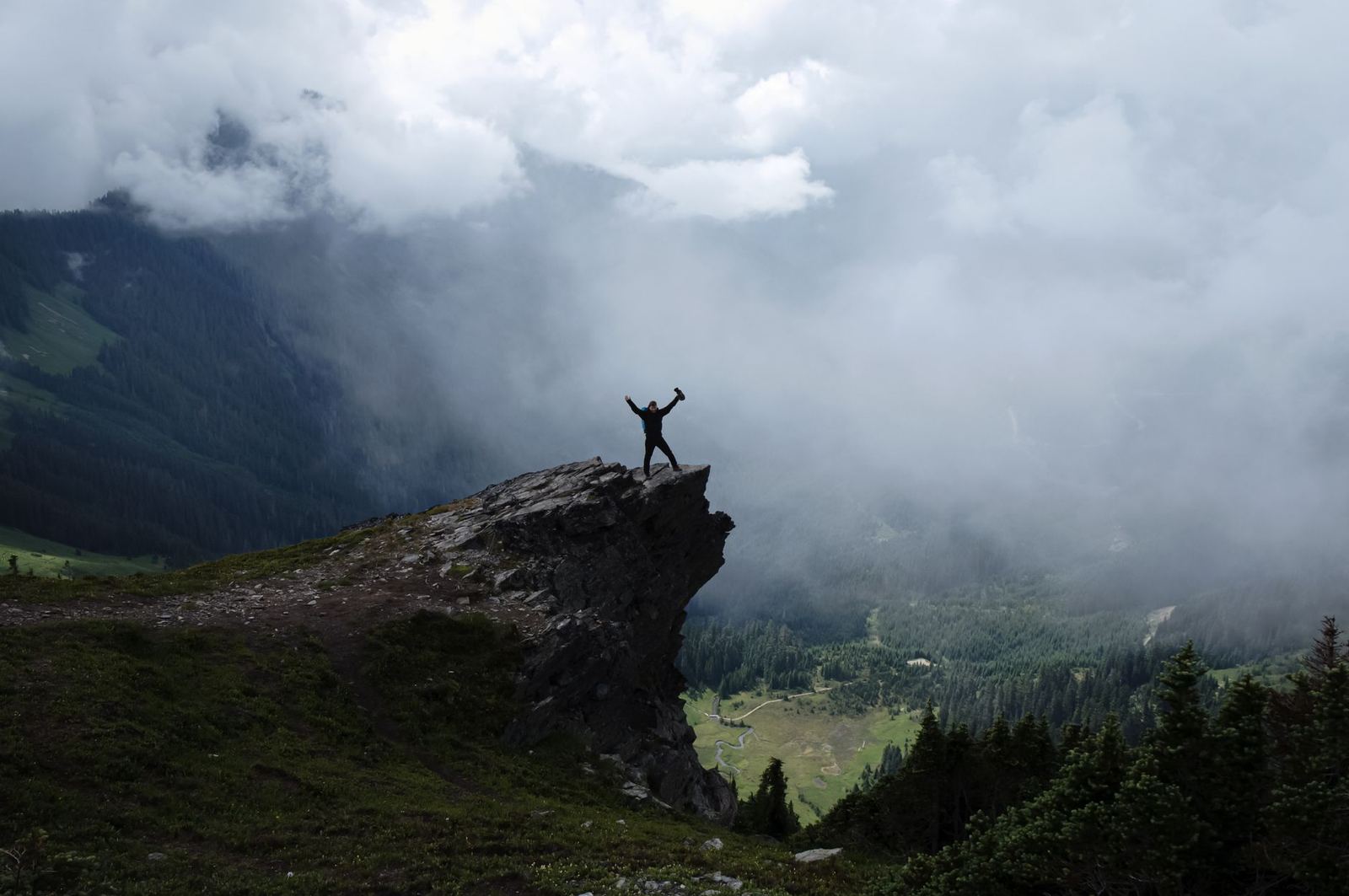
Altitude sickness and staying healthy on the trail
Altitude sickness is the hazard many first-timers underrate. Canadian guidance describes it as a risk at 2,500 meters or higher above sea level, while World Nomads says acute mountain sickness can occur at elevations above 8,200ft / 2,500m because oxygen levels drop. Both are in the Government of Canada page and the World Nomads guide.
The Canadian page says altitude sickness can lead to a long list of symptoms:
- Difficulty exercising and trouble breathing
- Feeling light-headed or tired
- Changes in cognitive function or vision
- Trouble sleeping
Acute mountain sickness is the most common form. World Nomads says it often affects trekkers who ascend too quickly and do not allow enough time to acclimatize, which is why a slow, steady climb is the heart of any plan, as its guide explains.
Two further forms are life-threatening emergencies, according to the same guide: high altitude cerebral edema (HACE) and high altitude pulmonary edema (HAPE). It adds that altitude sickness can be fatal and is the primary cause of medical evacuations in the Himalayas, which makes descent and fast help non-negotiable if symptoms worsen.
Altitude is not the only danger. The Canadian government lists dehydration, heat illness, travellers’ diarrhea, accidental injuries, animal bites and stings, overexertion and hypothermia, which it defines as body temperature dropping below 35°C, according to the health and safety page. Daily habits help:
- Only drink water that has been boiled, disinfected or comes in a commercially sealed bottle.
- Limit alcohol and caffeine, which can make dehydration worse.
- Wear sunscreen, especially at higher elevations, because UV rays get stronger the higher you go.
- Do a full body tick check on yourself and your gear every day.
Finally, book a conversation with a professional early. The Canadian page recommends talking to a health care provider or visiting a travel health clinic, preferably 6 weeks before your trip, for advice on vaccines and any extra medication you should carry.
Insurance, money and emergency planning
Good cover is the quiet backbone of any adventure. The Canadian government says to buy travel health insurance based on your planned activities, because a standard plan may not offer adequate coverage for extreme sports, nature expeditions or other adventure activities, as described on its health and safety page.
Before you choose a policy, work through this short checklist from the same page:
- Look for special policies or add-ons for adventure travellers, such as wilderness rescue.
- Check the exclusions that might affect your planned activities.
- Ask specialty clubs, outdoor groups or professional associations for recommendations.
Insurance does not always mean zero cash upfront. The page warns that you may have to pay in advance for rescue, evacuation or repatriation, which can be very expensive, so carry an emergency fund and a high-limit credit card, and keep proof of cover with you.
Next, build an emergency plan, especially for remote areas. A few practical steps, drawn from the Canadian guidance, make a real difference:
- Check cellphone coverage, since remote areas may have none.
- Consider bringing a satellite phone.
- Research health care options near your destination.
- Save digital copies of your insurance policy and passport on your phone and in the cloud.
If you plan to rent a scooter or bike, wear a helmet and protective gear even where it is not required by local law. The Canadian page makes the same point and also urges extra research when renting from unregulated agencies.
Navigation, training and packing
Technology can fail at the worst moment. The Next Summit’s mountain safety guide says that even in the age of GPS, a good old-fashioned map and compass can be indispensable if your electronic device fails. It treats GPS units and phone apps as a supplement to those skills, not a replacement.
Fitness deserves the same early attention. The Canadian page says adventure travel can be physically demanding, so it might take weeks of training before your trip, and The Next Summit suggests a conditioning program that covers cardio, strength and flexibility several weeks ahead, as its safety guide explains.
Tell someone your plans, including your route and when you expect to return. The same safety guide also tells readers to check local rules, since some areas require permits or restrict activities like camping.
For gear, tailor your kit to the activity and the climate rather than copying a generic list. Our adventure travel packing list is a practical starting point, and it pairs well with a first aid kit suited to your plans.
Travelling alone changes the calculation, because nobody else notices if you are overdue. If that is your plan, read these solo adventure travel tips before you fix your route and check-in routine.
Frequently asked questions
Do you need special insurance for adventure activities?
Show answer
Often yes. Policies built for ordinary holidays can leave out climbing, expeditions and similar pursuits, so read the exclusions and match the cover to your itinerary, as the Government of Canada advises.
At what height does altitude become a concern?
Show answer
Canadian guidance puts the start of the risk at 2,500 meters above sea level. Allow extra days to adjust above that point and descend if symptoms appear, per the Canadian health and safety page.
Should beginners travel with a guide?
Show answer
For a first visit or a first adventure, a guided trip is the safer choice. Guides also shape the pace of ascent on high treks, which lowers altitude risks, as World Nomads notes.
How far ahead should you see a health professional?
Show answer
Aim for a clinic or doctor visit about 6 weeks before departure. Even if your date is closer, the Canadian guidance still recommends booking an appointment.