Worried your trip might harm the places you love? Good cultural heritage travel means learning from communities, spending locally and following their lead. Start with listening, then choose experiences that support the people who keep traditions alive.
| Item | Value |
|---|---|
| Toolbox attribution and year | UNESCO, 2018 |
| Sustainable tourism target | SDG 8.9 (sustainable tourism) |
| Heritage protection target | SDG 11.4 (protect and safeguard cultural and natural heritage) |
| Education target | SDG 4.7 (Education for Sustainable Development) |
| Inclusion target | SDG 10.2 (universal social, economic and political inclusion) |
| Access to heritage target | SDG 1.4 (access to all forms of property, including cultural traditions and heritage) |
These figures come from the page describing UNESCO’s Intangible Cultural Heritage Sustainable Development Toolbox. Targets and listings can change, so check the source before you rely on them.
What does cultural heritage travel cover?
Cultural heritage is both the places people built and the practices they keep alive. Planning a trip around either one, or both, means treating the people who hold that heritage as hosts rather than scenery.
A helpful frame comes from a UNESCO toolbox credited to 2018. It is aimed at anyone curious about how intangible cultural heritage and sustainable development are interlinked, and it explores that relationship through examples from around the world.
The page ties the toolbox most closely to five global development targets: SDG 1.4, 11.4, 4.7, 8.9 and 10.2, as its linkages section explains. In plain language, those targets cover:
- Access: cultural traditions and heritage count among the things people should be able to reach and own.
- Protection: efforts to protect and safeguard cultural and natural heritage.
- Education: learning that supports sustainable development.
- Tourism: visitor activity that is sustainable.
- Inclusion: social, economic and political participation for everyone.
For a traveler, these read as a simple test. Does your trip help people learn, keep their heritage safe, earn from their own culture and take part in the decisions that affect it?
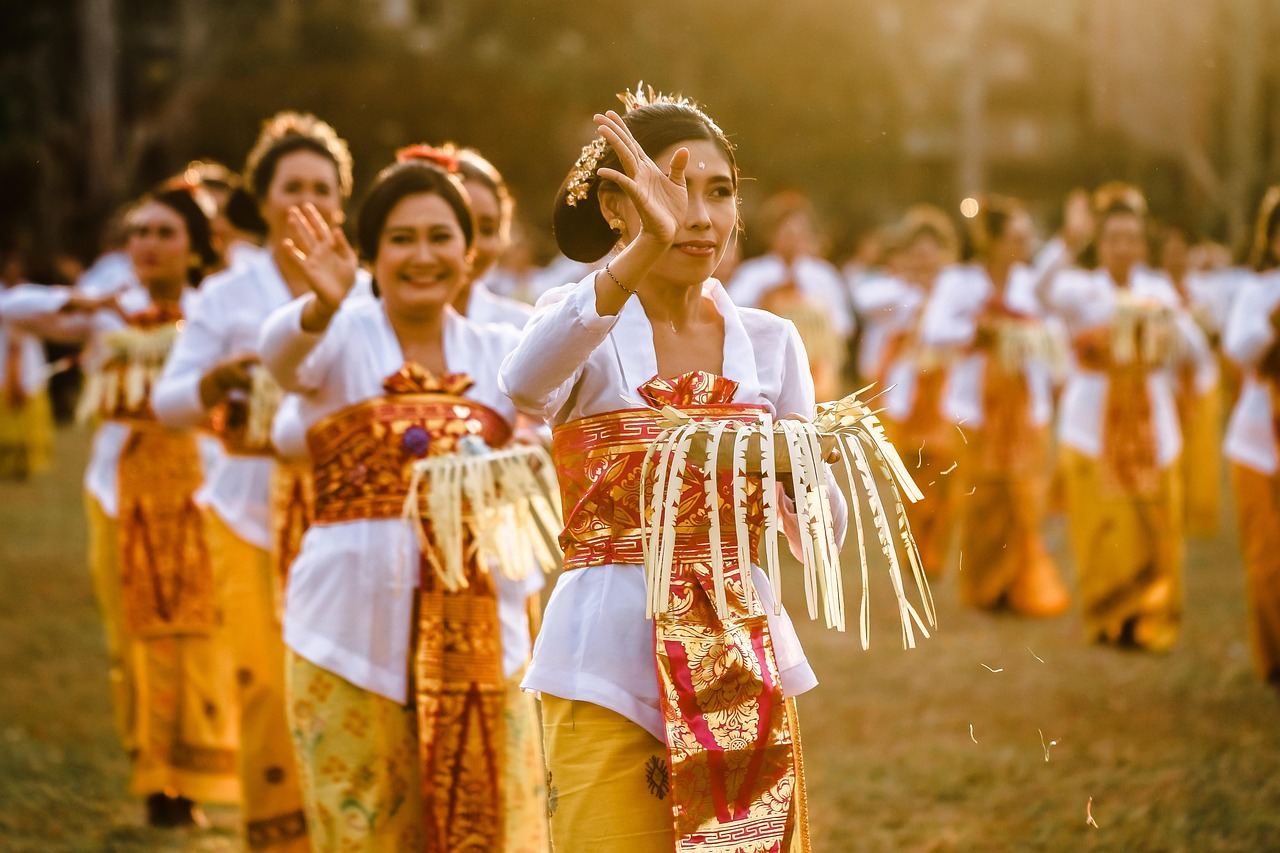
Traditions, festivals and food
Living traditions are the part of heritage you cannot simply photograph and understand. The toolbox describes how communities transmit their intangible cultural heritage and how, in turn, it can contribute to sustainable development, according to the UNESCO page.
The same page adds that sustainable development can create an enabling environment that keeps a community’s intangible heritage viable. For you, that means where your money goes matters as much as what you watch.
Festivals are the most visible form of living culture. If they draw you, unusual festivals around the world is a good place to browse ideas before you check whether visitors are welcome.
Food is the easiest tradition to join respectfully. Eating at family-run places and asking about the story behind a dish turns a meal into learning, and traditional foods around the world shows how wide the range can be.
Visiting sites and ruins with care
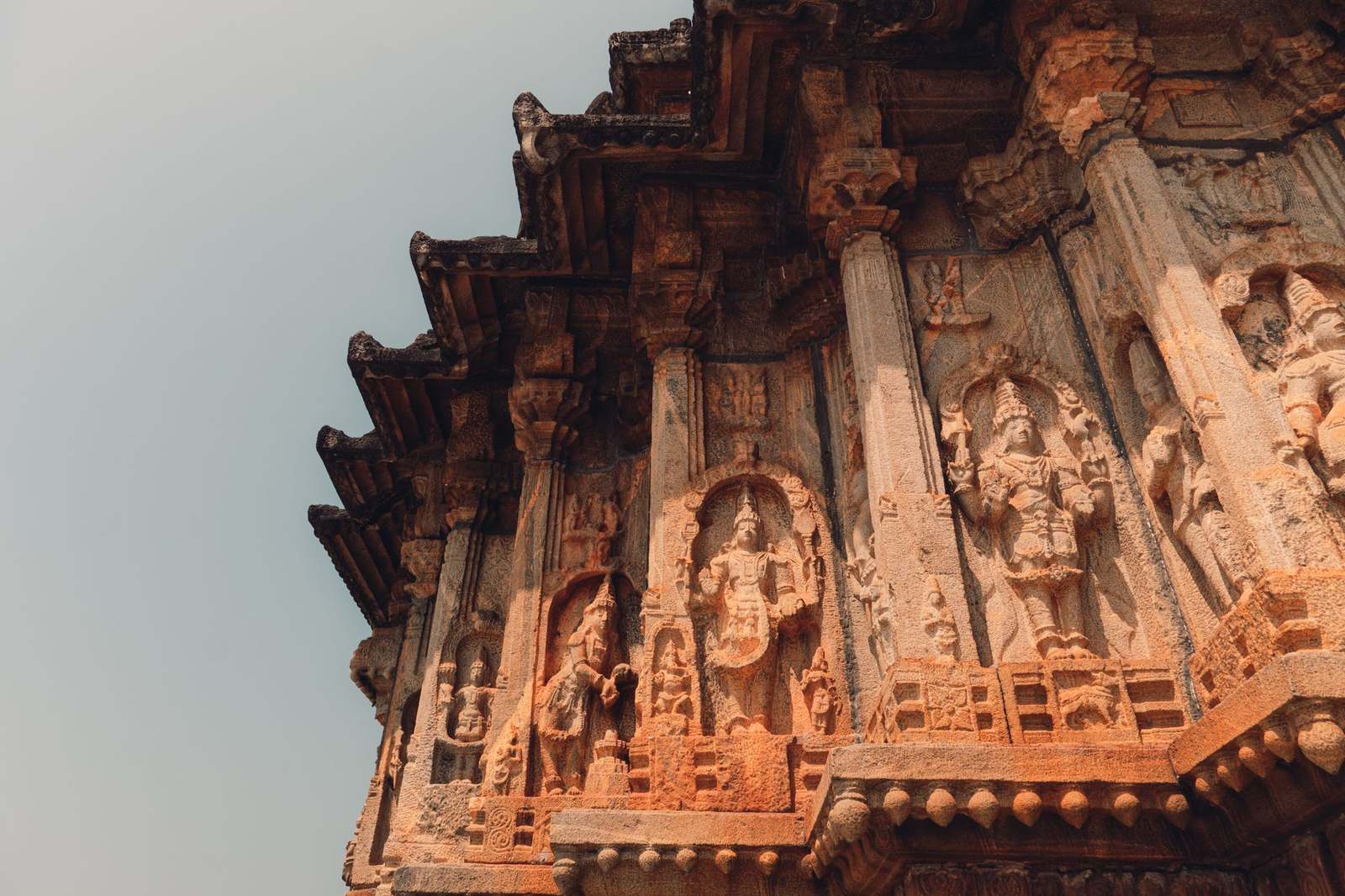
Monuments and archaeological places are fragile. The toolbox’s protection target, SDG 11.4, points to plans, policies and procedures for the identification, safeguarding and protection of cultural and natural heritage at risk, as the indicator list shows.
That is mainly a site-management job, but visitors share it through everyday habits:
- Stay on marked paths and respect closures.
- Do not touch, climb on or carve into old stone and painted surfaces.
- Carry your waste out with you.
- Pay entry fees and guide rates without haggling the work down.
Anyone building a list of sites can start with ancient ruins to visit, then widen it with lesser known unesco world heritage sites beyond the famous names.
Villages are homes first, so keep your voice low and ask before photographing people. You can pair that habit with ideas from traditional villages to visit.
Heritage often sits off the usual routes. If that appeals to you, unusual travel destinations and the adventure travel guide cover the wider planning.
How can your trip support the people behind the heritage?
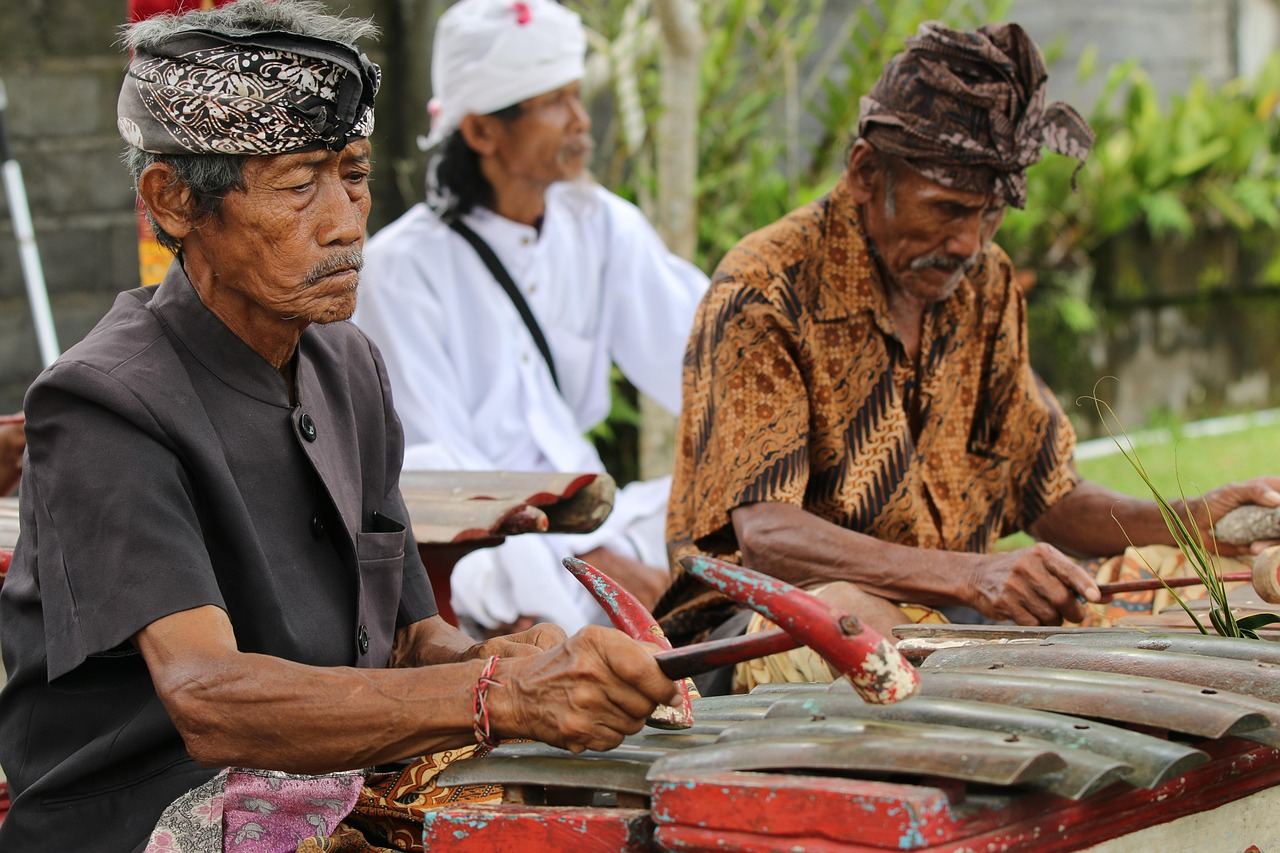
The toolbox links sustainable tourism to SDG 8.9, and its indicators are practical. They count jobs created or supported that relate to sustainable tourism drawing on local products, such as craft producers, according to the SDG 8.9 section.
They also ask about the value that activities and products drawing on local culture bring to artisans and source communities. A further indicator calls for plans to reduce and remove negative impacts of tourism, per the same page.
You can turn those ideas into choices:
- Buy directly from makers and ask who made the item.
- Pick locally run guides, homestays and workshops.
- Ask how a tour benefits the community, and skip it if the answers stay vague.
Under SDG 1.4, the page describes tourism that improves local communities’ ownership and control over cultural and natural heritage. When that heritage belongs to Indigenous peoples, read indigenous cultural tourism first, because consent and ownership come before your itinerary.
A respectful visiting checklist
Good intentions work best with a routine. Use these steps on every heritage trip:
- Learn the basics of local customs, dress and greetings before you arrive.
- Ask permission before photographing people, rituals or private spaces.
- Follow the guidance of hosts and signs about quiet, dress and restricted areas.
- Spend with local businesses and makers where you can.
- Leave every place as you found it.
- Reflect afterwards on what you learned and share it accurately.
Customs differ from place to place, so keep cultural etiquette for travelers open while you plan.
The education target, SDG 4.7, looks for evidence that learners have acquired knowledge and skills to promote sustainable development, as the indicator list notes. Treat each trip as a chance to be that kind of learner.
SDG 10.2 asks about the number and types of partnerships that build relationships with marginalized groups, individuals and communities, according to the inclusion section. As a visitor, you can echo that by letting hosts set the terms of the encounter.
Frequently asked questions
What is intangible cultural heritage?
Show answer
It is heritage held in people’s knowledge and habits rather than in stone, such as practices that communities live with every day and hand on. The UNESCO toolbox page is a useful starting point for examples.
Does buying local crafts really help?
Show answer
It can, when the money reaches the maker. The page’s tourism indicators look at local-product jobs and at what artisans gain, so ask who made an item and how they are paid, as the SDG 8.9 indicators suggest.
Can I photograph ceremonies and people?
Show answer
Ask first, and accept a no without argument. If nobody is around to ask, leave the camera down.
Do I need a local guide?
Show answer
You do not always need one, but a guide from the community adds context that signs cannot. Choosing one also keeps your spending where the heritage lives.