Worried about forgetting something far from help? Your adventure travel packing list should cover shelter, water, warmth, navigation and repair, packed in layers. Start with systems, then add the paperwork.
For the wider picture on planning trips like this, read our adventure travel guide.
| Item | Value |
|---|---|
| Pack layers in a remote-trip system | 3 layers (on the body, day access, overnight and emergency) |
| Passport or ID validity after your last travel day | 6 months |
| Spare prescription medication beyond the trip length | At least 1 week |
| Water bottles for hot or sparse-water areas | 2 bottles |
These figures come from the Adventure Collective packing guide and the Public Lands packing list. They can change, so check the sources before you rely on them.
Start with systems, not products
A useful list begins with categories rather than gear names: shelter, sleep, water, food, clothing, navigation, communication, first aid and repair, as the Adventure Collective guide frames it. Each category should solve one clear problem, and the whole kit should work together.
Pieces depend on each other. A warm sleeping bag is less useful without an insulated pad, and a satellite communicator is less useful if nobody at home knows your route.
The same guide advises you to pack for the most consequential conditions you can reasonably expect, not the most comfortable version of the trip. That one habit separates a remote packing list from a city weekend list, where a forgotten layer is easy to replace.
What goes in each layer of your pack?
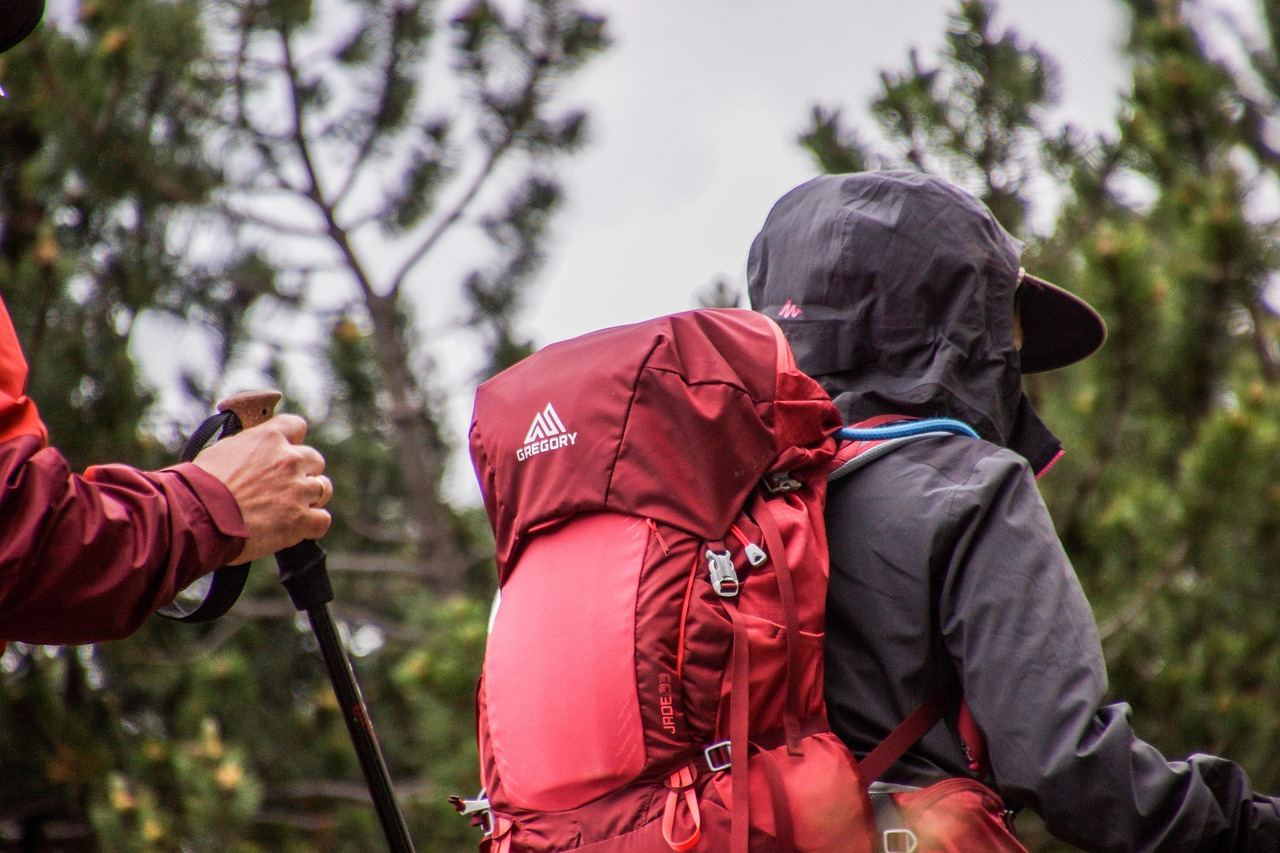
Think of the kit as layers, ordered by how soon the day may demand each item:
- On the body: footwear, clothing, sun protection and immediate navigation.
- Day access: water, food, rain shell, first aid, insulation and communication.
- Overnight and emergency: shelter, sleep system, stove, repair kit, extra food and redundant navigation.
Order matters because accessibility matters. A rain jacket buried beneath a sleeping bag is not truly available when weather arrives quickly, and the same logic applies to a headlamp at the bottom of a dry bag. The Public Lands list calls a hands-free headlamp a must for the backcountry, and notes it also helps in lodging with unreliable lighting.
Redundancy does not mean duplicating the whole pack. It means a second way to navigate, make water safe, create light, start a fire where permitted, and communicate a change of plan, according to the Adventure Collective guide.
Documents and personal items before you leave
Paperwork is gear too. Make digital and print copies of everything, and leave a copy of your itinerary with an emergency contact at home. If you are still choosing a route, our guide to the best adventure travel destinations can help you narrow it before you pack.
Work through this short checklist:
- Identification, plus a passport for international travel.
- Visas, if your destination requires one before arrival.
- Travel insurance or a clear understanding of your health cover.
- Local currency and small bills where cards may not be accepted.
- A travel alert set with your bank and card companies.
- Itinerary and reservation confirmations.
Check your ID and passport dates early. The Public Lands list says yours should not expire within 6 months of your last day of travel, and it suggests checking the U.S. State Department website for travel advisories before you plan and again just before you go.
Bring every prescription you need for the whole trip, plus at least 1 week of extra supply in case your return is delayed, per the same list. For a basic first aid kit, that source names antiseptic wipes, antibiotic ointment, gauze pads and bandages, medical tape, tweezers, scissors and safety pins.
Water, clothing and repair for remote routes
Remote routes often look water-rich on a map and still hide long dry sections. Springs can stop flowing, rivers can turn silty, and coastal sources can be brackish. Plan your water capacity around the longest gap between sources, and verify how reliable each one is in your season.
- A primary treatment method, such as a filter.
- A lightweight backup, since chemical purifiers are a great lightweight option according to Public Lands.
- Protected storage if temperatures drop.
- Known resupply points and bailout options.
The same list suggests carrying 2 bottles in hot weather or where water is sparse. Our desert travel tips go deeper on planning water for dry country.
For clothing, think in functions: move moisture, block wind, retain warmth, shed rain and protect from sun. A base layer, active insulation, wind layer and waterproof shell adapt to more conditions than several bulky single-purpose pieces, and it helps to keep one dry layer protected for camp or emergencies.
A compact repair kit can stop a small failure becoming a large evacuation. Match it to your equipment: tape and patches for inflatable pads, spare buckles, cord, a multi-tool, sewing materials and stove parts.
Test the pack and share the plan
Finally, weigh the completed pack and carry it before departure. A short test outing shows pressure points, inaccessible essentials, excess food and missing items more clearly than another hour of reading, as the Adventure Collective guide puts it.
Then close the loop at home. Someone you trust should hold your route and response plan, because the best communication device only helps when the person on the other end knows what to do.
Frequently asked questions
How much should I bring?
Show answer
Not everything. The aim is a small, reliable kit, and Public Lands advises going as light as possible without giving up the essentials.
Is travel insurance worth packing for?
Show answer
Trip protection is described as relatively inexpensive, and it can help with lost luggage, cancellations, injuries or illness. If you skip it, call your health insurer and learn exactly what is covered before you leave.
What if I booked a guided trip?
Show answer
Ask the operator which equipment is supplied and which items you must bring yourself. Then fill the gaps from your own list.
Should I ask my doctor about antibiotics for remote areas?
Show answer
For extended trips to remote areas, the Public Lands list suggests asking your doctor whether a broad-spectrum antibiotic prescription makes sense for you.